Partner dancing: what it costs and who it fits
Salsa, swing, or blues; one class and you can already social dance
Prices checked August 6, 2026 / 2 sources linked / Oded Rochman
What it costs
| Item | Figure | What it covers |
|---|---|---|
| Starter gear | $50–$300 | One-off, everything you need for a first real attempt. |
| Running cost | $60–$200 a month | Materials and consumables at a steady weekly habit. |
| Time per session | 1 hr–2 hr | The normal working block, not the maximum. |
| Time to first win | One session | Until you make something you would show someone. |
Every figure here is dated and linked to a live listing under Sources. The same costs across every hobby we track are compared in what hobbies actually cost.
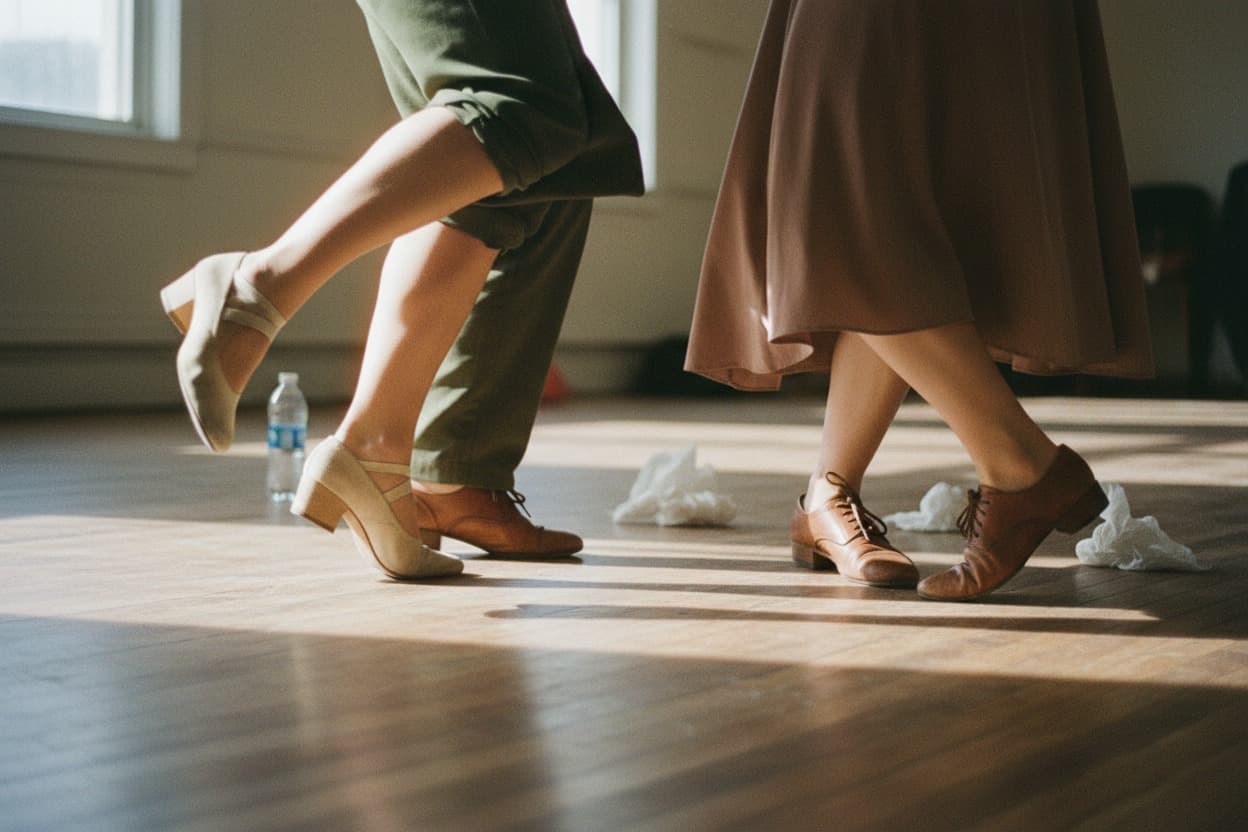
Partner dancing suits people who want a hobby that forces them out of the house on a fixed night and puts them in a room of strangers who are all obliged to be friendly. Salsa, swing and blues all work the same way: one beginner lesson and you can already do the thing badly but for real. The catch is geography. This hobby is entirely dependent on a scene existing within driving distance of you, and no amount of enthusiasm substitutes for a venue.
What it actually costs
The cheap entry path is the beginner lesson attached to a social dance. Prices are set by the venue and vary by city. Century Ballroom in Seattle, one published example, runs these before most of its social nights and charges at most $10, sometimes nothing beyond the door price. You show up in whatever shoes you own, learn a basic step for 45 minutes, and stay for the dance. That is the entire cost of finding out whether you like this.
The real mid-path is one structured class plus one social night per week. A drop-in to a 60-minute class at the same venue is $25, so four classes is $100 a month, and the beginner lesson before a social adds at most $10 each time. That puts a weekly class plus a weekly social around $140 a month before door prices, which is why this hobby has a higher running cost than almost anything you can do at home.
Gear is nearly nothing, and that surprises people. Shoes are the only real purchase: Capezio's ballroom range runs about $76.80 for a standard follow shoe up to $128 for a heeled style, with men's Latin and standard shoes at $83.20 and $84.80. Buy them after a month, not before. The bigger money in this hobby is not gear at all, it is weekend workshops and dance travel, and both are optional for years.
What to buy first
Nothing but the lesson. Beginner classes attached to a social are the entry point, venues set their own prices, and street shoes are fine for the first several weeks. Turning up in new dance shoes to a first class marks you out and does nothing for your dancing, which at that stage is entirely about where your weight is.
Shoes become worth buying when you notice the floor fighting you, which usually means you are trying to turn and your soles are gripping. Suede is what solves that. Which pair depends on what you are actually dancing, and this is the one purchase on this page where buying the wrong item is easy: the Latin shoe at $83.20 has a flexible sole for salsa and bachata and is wrong for swing, while the Standard at $84.80 is stiffer for waltz and foxtrot. Pick after you know which room you keep going back to, not before.
The Eva at $76.80 is the standard first follow shoe and the safest default. The practice Cuban heel at $118 solves a different problem, which is a three-hour social in shoes built for a one-hour lesson, and that problem only exists once you are staying out.
Time to your first win
The same night. A beginner lesson teaches a basic step and one turn, and then you use them on a real floor to a real song with a real partner. Very few hobbies deliver a complete, recognizable version of the activity in ninety minutes.
The second stage is slower and it is where people quit. Around week three you realize the basic step is not the hard part, and that leading or following someone you have never met is a separate skill. Expect about three months of one class and one social per week before you can dance a full song with a stranger without apologizing. Leading cleanly enough that a follow never has to guess takes closer to a year.
You'll enjoy this if
- You want a hobby that is unambiguously social and puts a fixed night on your calendar.
- You are willing to be visibly bad at something in a room of people for a few weeks.
- You want moderate exercise without a gym, and 60 to 120 minutes on your feet sounds fine.
- You like the idea of a portable skill. Beginner-friendly socials exist in most mid-sized cities.
- You would rather be corrected by a human than by a video.
Skip it if
- The nearest regular social dance is more than a 40-minute drive. This hobby dies on commute distance.
- Physical contact with strangers is not something you want. It is the whole activity, not a side effect.
- Your schedule is unpredictable. Progress here comes from consistent weekly attendance, not from long sessions.
- You want to practice alone between classes. You largely cannot, and yoga is the better solo movement habit.
- You want a cheap hobby. At roughly $100 a month, this is one of the more expensive ways to spend an evening.
Your first month
- Find one venue with a beginner lesson before a social night and go once, alone, in flat non-grippy shoes. Budget $10 to $25 for the evening.
- Go back to the same night the following week. One venue twice beats two venues once, because the second visit is when someone recognizes you.
- In week three, commit to a beginner series or a weekly drop-in class at about $25 a session. Group classes teach the vocabulary that socials assume you already have.
- Buy shoes only in week four, once you know which style you are actually dancing. Around $77 to $85 covers it.
- Skip the private lesson for now. It is the most common early overspend and it teaches you very little that a class and two socials will not.
If you are choosing this as a shared activity, the tradeoffs are covered in hobbies for couples, and the broader question of picking something that survives a busy year is in how to find a hobby as an adult.
Starter gear worth buying
Capezio Eva Ballroom Shoe (SD501)
$76.80
Suede sole, low heel, the standard first follow shoe
Capezio Men's Latin Ballroom (SD609)
$83.20
Flexible sole for salsa and bachata, not for swing
Capezio Men's Standard Ballroom (SD6103)
$84.80
Stiffer sole for waltz, foxtrot and ballroom nights
Capezio Practice 1.25 inch Cuban Heel (BR74)
$118
Practice shoe you can wear for a three-hour social
Try it with a class
Ballroom 101: Social Dance for the Single Complete Beginner
Udemy. Cheaper than a starter kit, and you find out in a weekend whether the craft suits you.
- Century BallroomDrop-in beginner lesson before a social dance
- Century BallroomFive-week beginner series in salsa, swing or bachata
Gear and class links may earn us a commission. It never changes the price, or which gear we recommend.
Common questions
- Is partner dancing expensive?
- It is cheap to try and moderate to keep. Many venues run a beginner lesson before the social dance for $10 or less, and class prices vary by city: Century Ballroom in Seattle, for example, charges $25 to drop into a 60-minute class, so four classes a month is $100 before door prices at socials. Shoes are the only real gear, and Capezio ballroom styles run about $77 to $128.
- Is partner dancing a good hobby?
- It is the strongest social hobby on our list. You leave the house, you talk to people, you get moderate exercise, and no screen is involved. It is a poor fit if you want to progress alone at your own pace, because your rate of improvement depends on how many other people show up and how patient they are.
- How long does it take to learn to social dance?
- One lesson gets you through a basic step and one turn, which is genuinely enough to dance a song at a beginner-friendly social. Feeling like you belong on the floor takes about three months of one class and one social night per week. Leading well, meaning a partner can follow you without guessing, takes closer to a year.
- Do I need a partner to start?
- No. Most classes rotate partners on purpose, and arriving alone is normal at every social dance venue. The exception is a class that is full: if you come with a partner you are guaranteed a spot, and if you come alone you may be asked to wait depending on the balance of leads and follows that night.
- Is partner dancing good for couples?
- It works well as a shared hobby, with one caveat that is worth taking seriously. Learning together means you will be corrected in front of each other, and most instructors will rotate you away from each other in class anyway. Couples who treat that as normal do fine. Couples who only want to dance with each other tend to progress slowly.
Sources
- Century Ballroom drop-in dance class pricing, SeattleAugust 1, 2026
- Capezio round toe ballroom dance shoesAugust 1, 2026