pastime.com

17 hobbies for men over 50 that stay interesting

Nothing here was picked because it is masculine. The filter is three constraints that show up after 50: a preference for activity that does not involve repeated impact, more usable weekday time than you had at 35, and a social circle that stopped refilling itself by accident once work and school runs stopped doing it for you. Each entry says which of those it answers and what it costs to find out.

Prices checked August 6, 2026 / 5 sources linked / The pastime.com editors

hobbies listed
17
to start
$0 to $1,500
prices checked
August 6, 2026

Easy on the joints

6 picks

Six hobbies with no impact at all, most of which can be done seated. Yoga is the odd one out because it works on mobility instead of avoiding the issue, and it earns its place for exactly that reason. None of these require you to be in any particular condition to start this week.

Birdwatching, close crop on hands mid-task

$0–$300 to start

Birdwatching

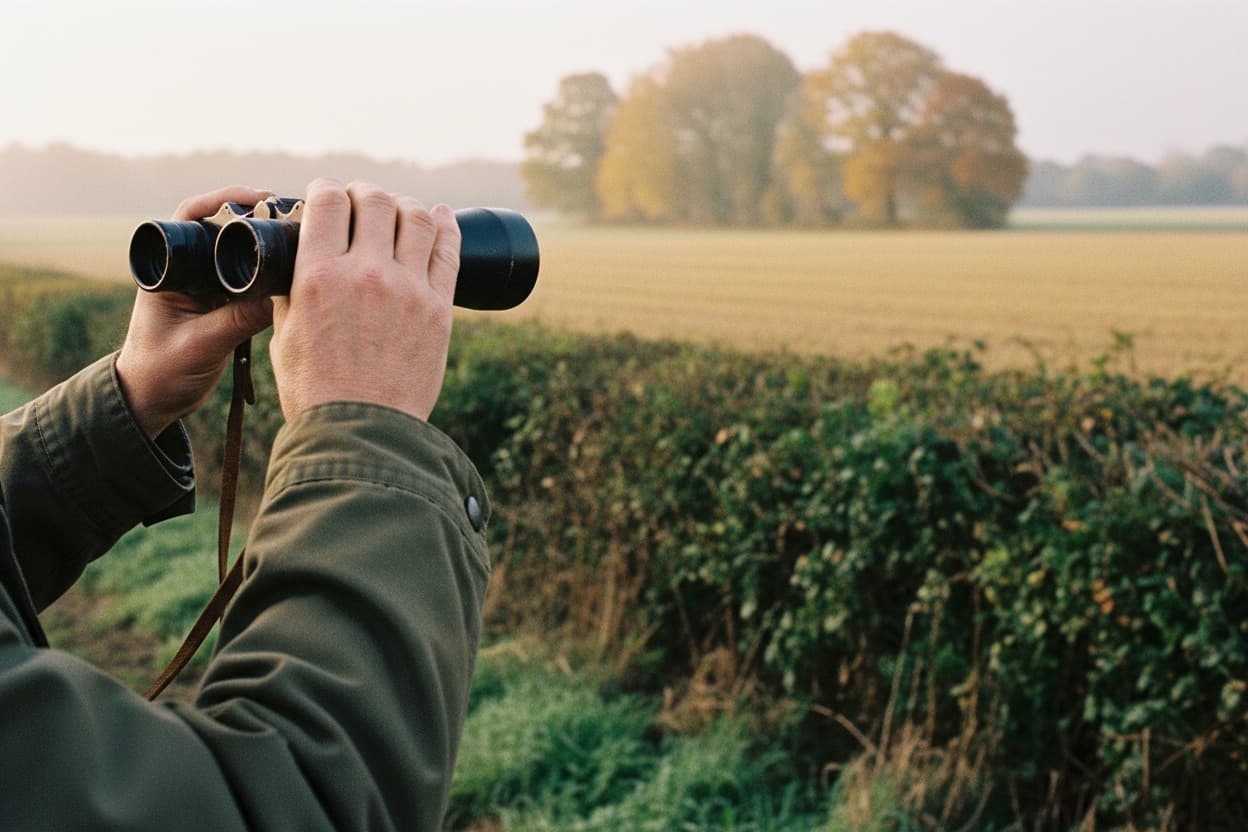
Refurbished Nikon ACULON A211 10x42 binoculars are $69.00 and the hobby costs nothing after that. Sessions run 45 minutes to three hours at whatever pace you set, with no impact and no equipment to carry. Free apps handle identification. First outing produces a result because you will see something you cannot name. If you already know you will stick with it, paying more once is cheaper than replacing an entry pair.

The full cost sheet →

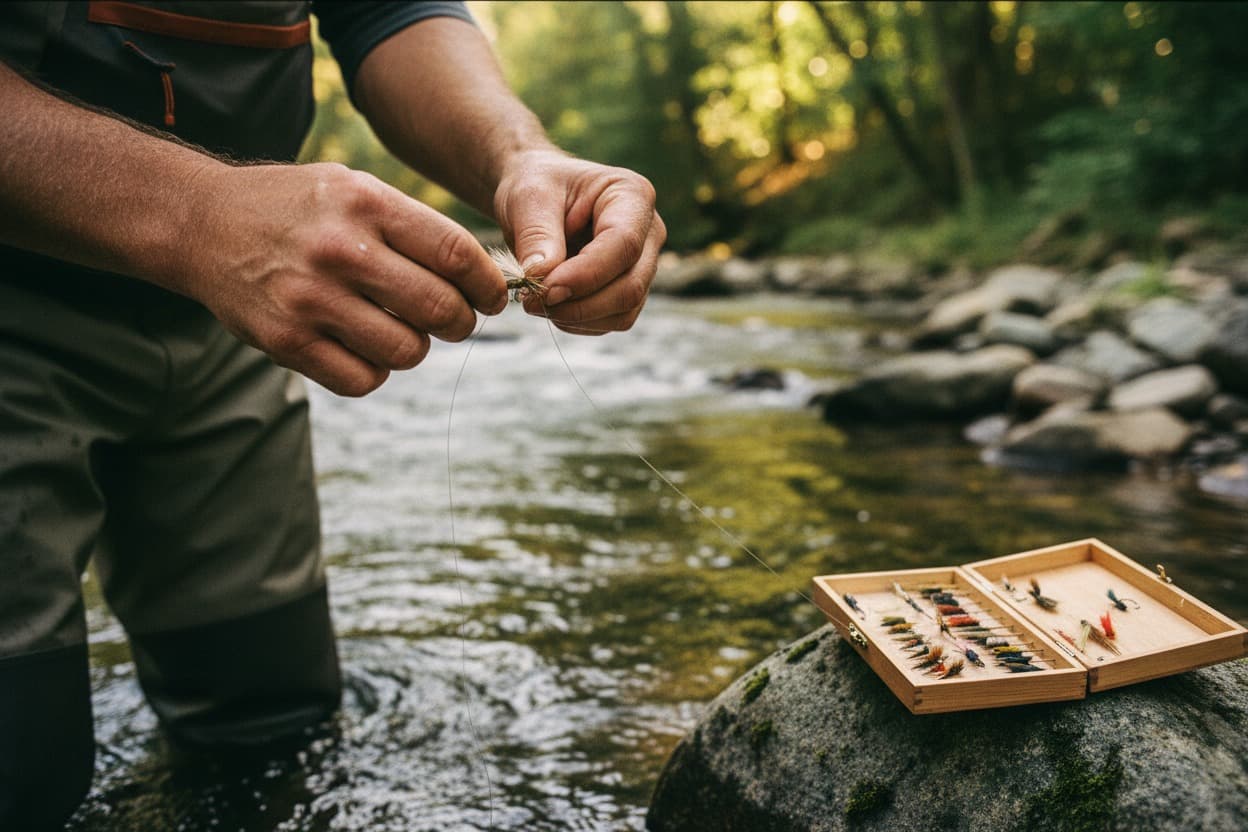
Fishing

An Ugly Stik GX2 spinning combo is $79.95 and covers most freshwater situations for years. Sessions run 90 minutes to five hours, mostly seated or standing still, and a first fish usually comes within two outings. The licence is the only recurring cost worth planning. It works alone and works with one other person, which is a rare combination.

$110–$300

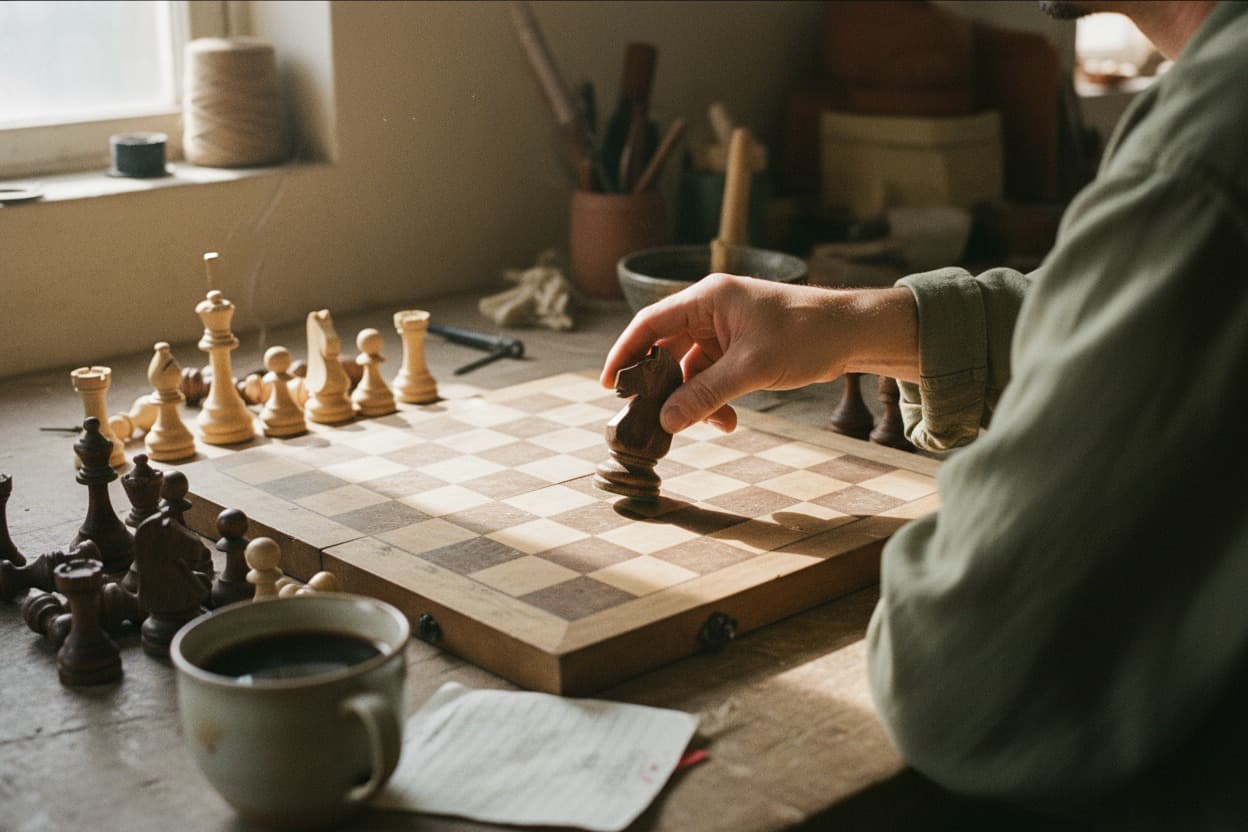
Chess

A tournament-legal set and board is $19.50 once, and online play is free with an opponent at your exact level in seconds. Games run 15 to 90 minutes, entirely seated. Real study is what breaks the plateau most people hit around month two, so treat it as a learning hobby rather than a casual one if you want it to hold your attention.

$0–$60

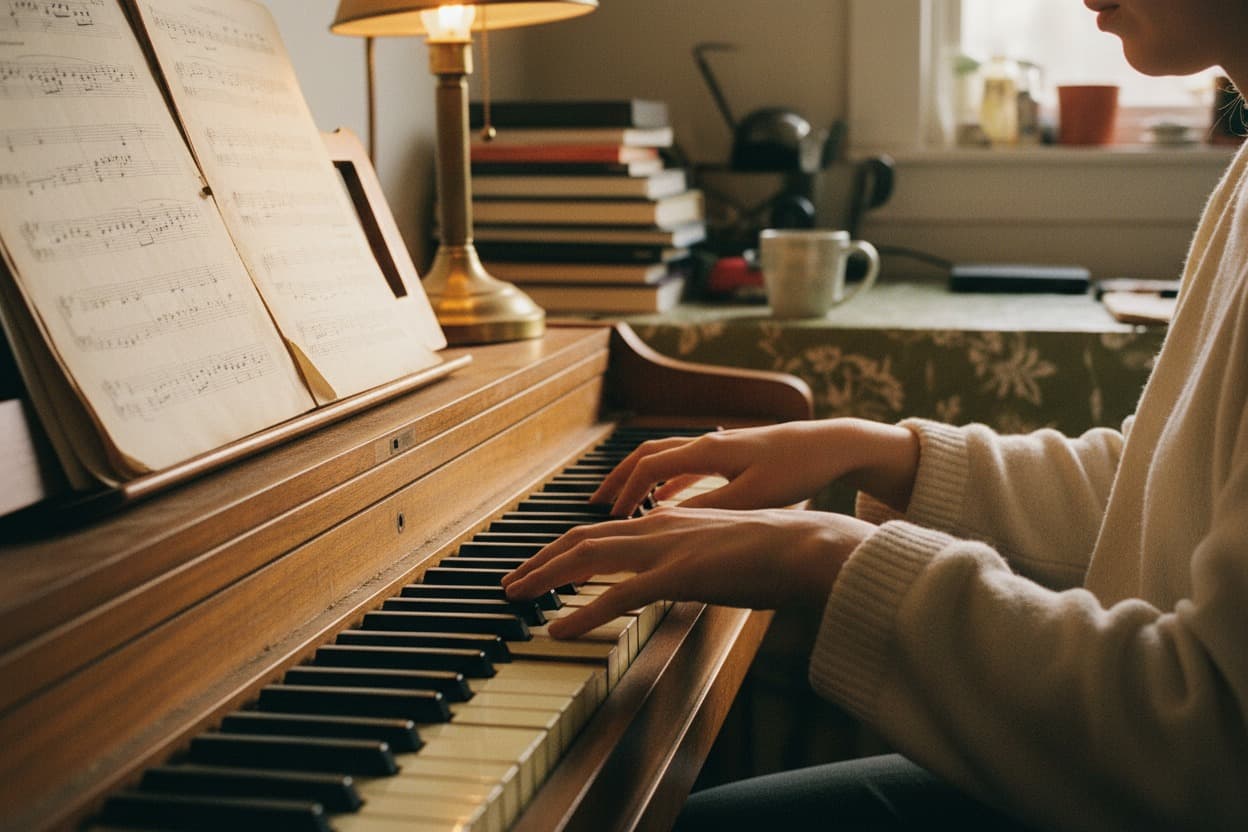
Piano

A Yamaha P-145BT 88-key digital piano is $469.99 and headphone practice means nobody else in the house has to hear month one. Sessions run 20 to 60 minutes seated. First recognisable piece takes about a week and real fluency takes years, which is either the appeal or the reason to skip it. Adult beginners do fine, they just need a teacher sooner than they think.

$200–$900

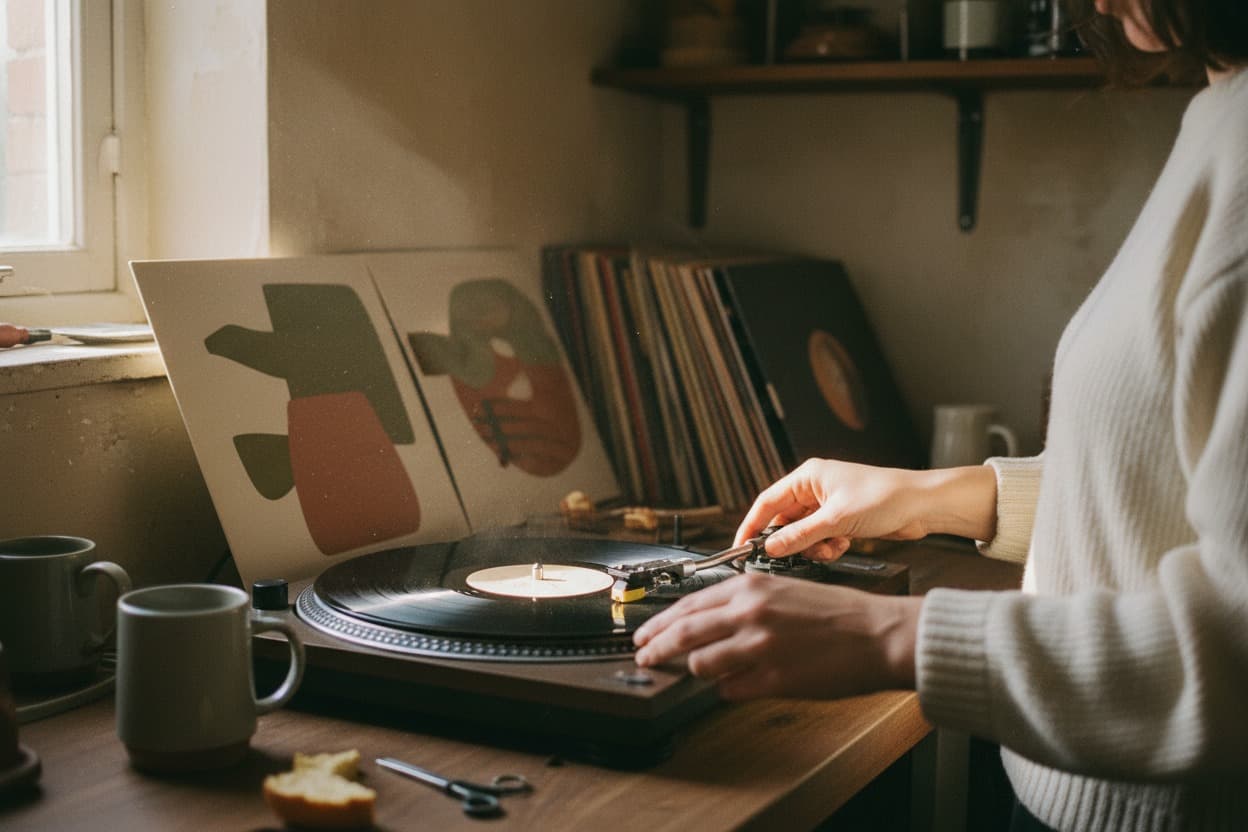
Vinyl Records

The least physically demanding thing on this list and one of the most satisfying, because choosing what to play is the activity. Sessions run 30 minutes to two hours. The turntable is a one-time cost and the records have no ceiling, so set a monthly number before the first shop visit. It also pairs well with anything else here that leaves your ears free.

$150–$600

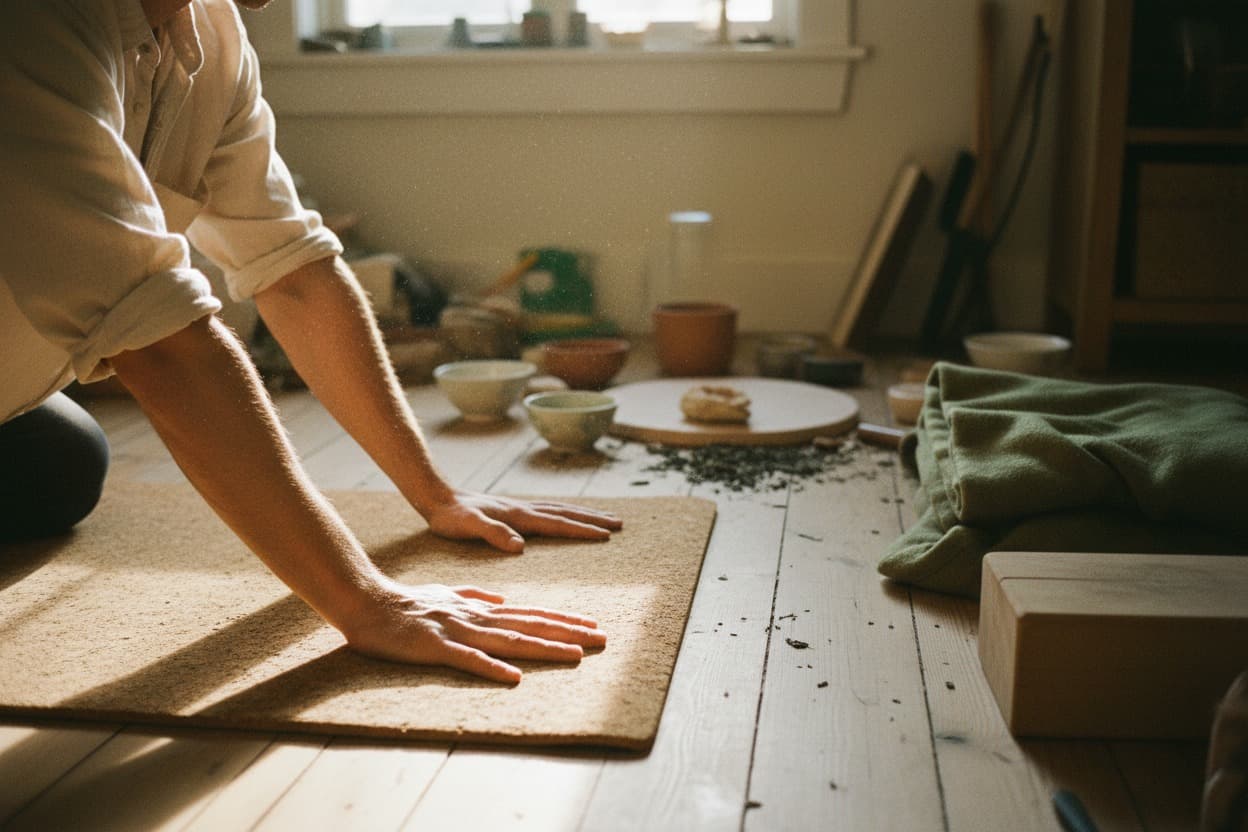
Yoga

The one entry that works on mobility rather than routing around it, which is why it is here. A mat and free video classes cover the first year. Sessions run 20 to 75 minutes. Many people find a short daily practice easier to hold than a weekly class. Start with a beginner or gentle sequence, because the intermediate ones assume shoulders you may not have.

$20–$120

If you have a garage or a bench

4 picks

The setup is the deciding factor, not the interest. All four reward a permanent space and punish a temporary one, because the thing that stops people is unpacking and repacking. Leathercraft is the exception that fits on a table, so start there if the garage is already spoken for.

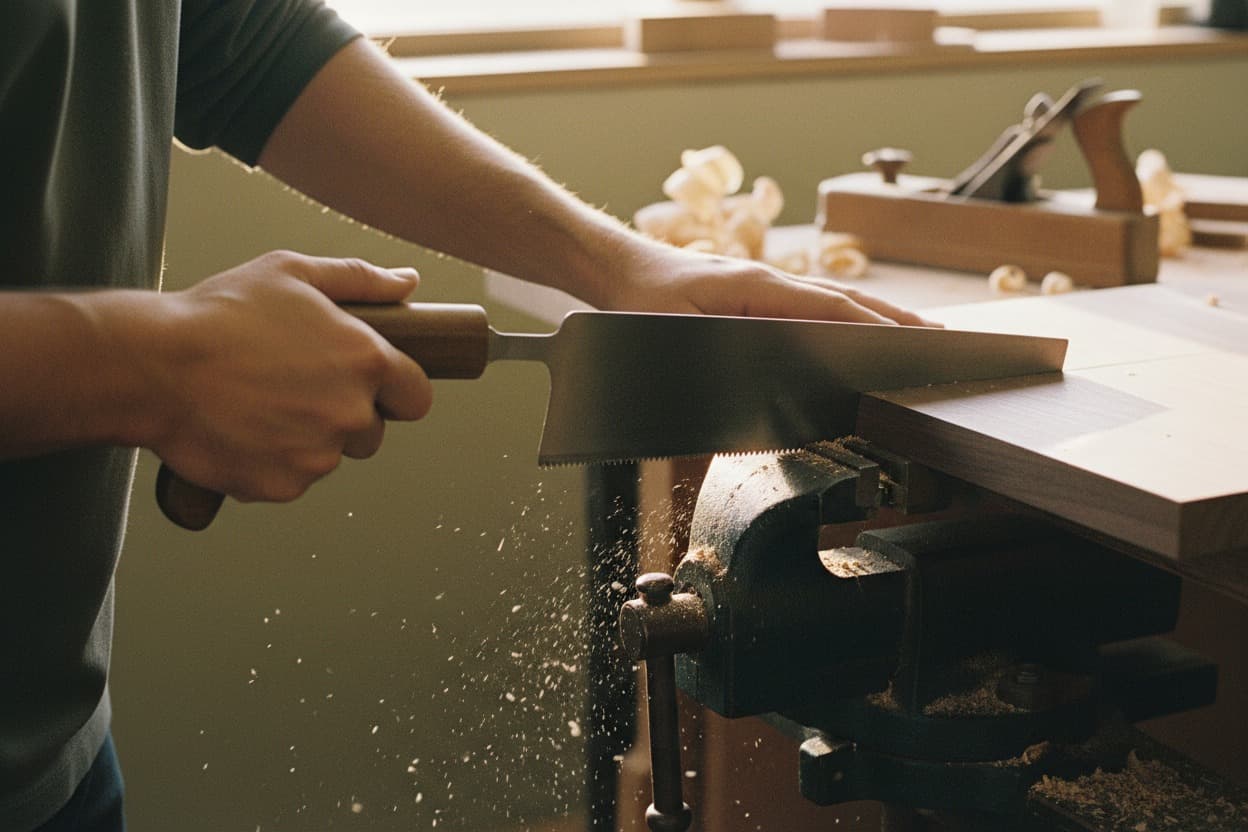
Woodworking, close crop on hands mid-task

$105–$1,500 to start

Woodworking

The hobby that most rewards having a garage and most punishes not having one, because the setup and teardown is what makes people stop. First simple project takes about three days and looks it. Sessions run 90 minutes to four hours, standing, with real noise and dust. Buy tools one project at a time rather than kitting out a shop you have not used yet.

The full cost sheet →

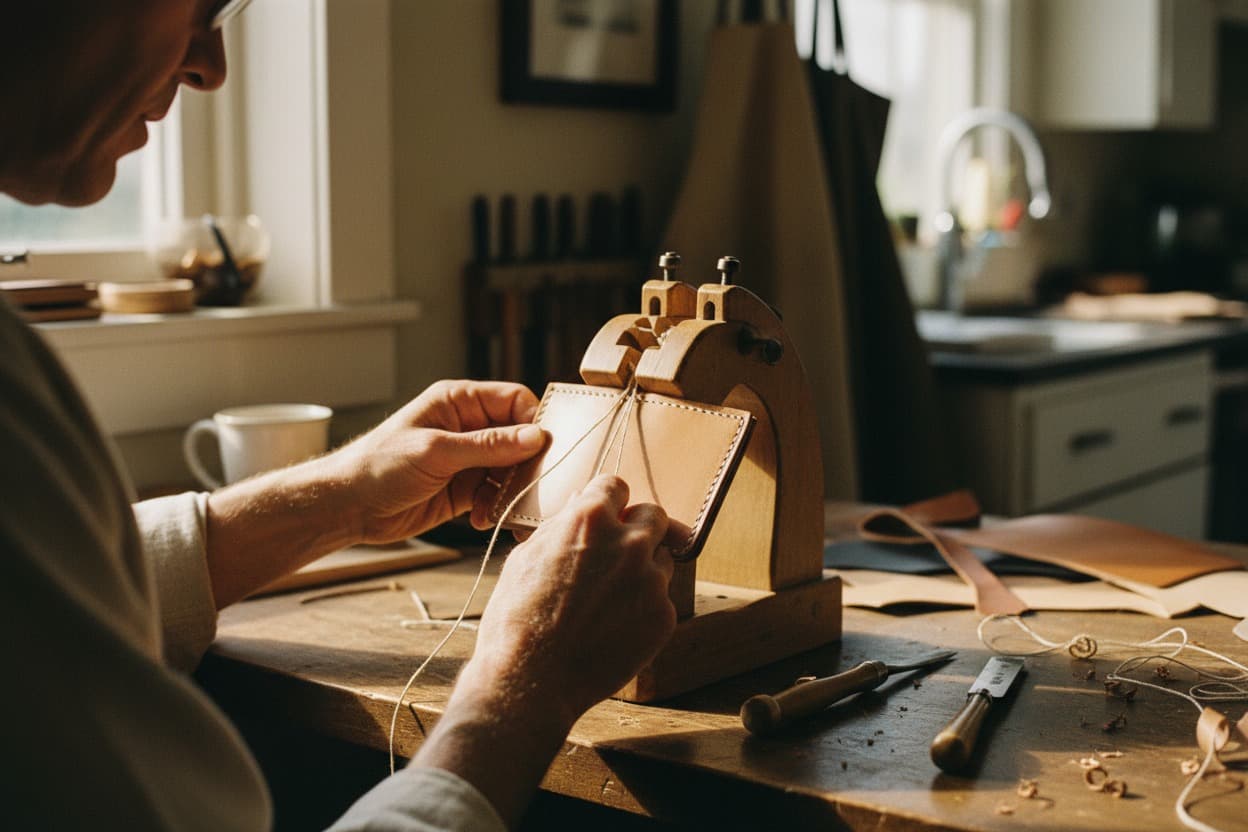
Leathercraft

The workshop hobby that fits on a table and packs into a box, which matters if the garage is already full. First usable item (a belt, a card holder) takes about two days. Sessions run 45 minutes to two hours, seated, with mallet noise as the only complaint from the rest of the house. Buy the starter kit rather than individual tools.

$60–$180

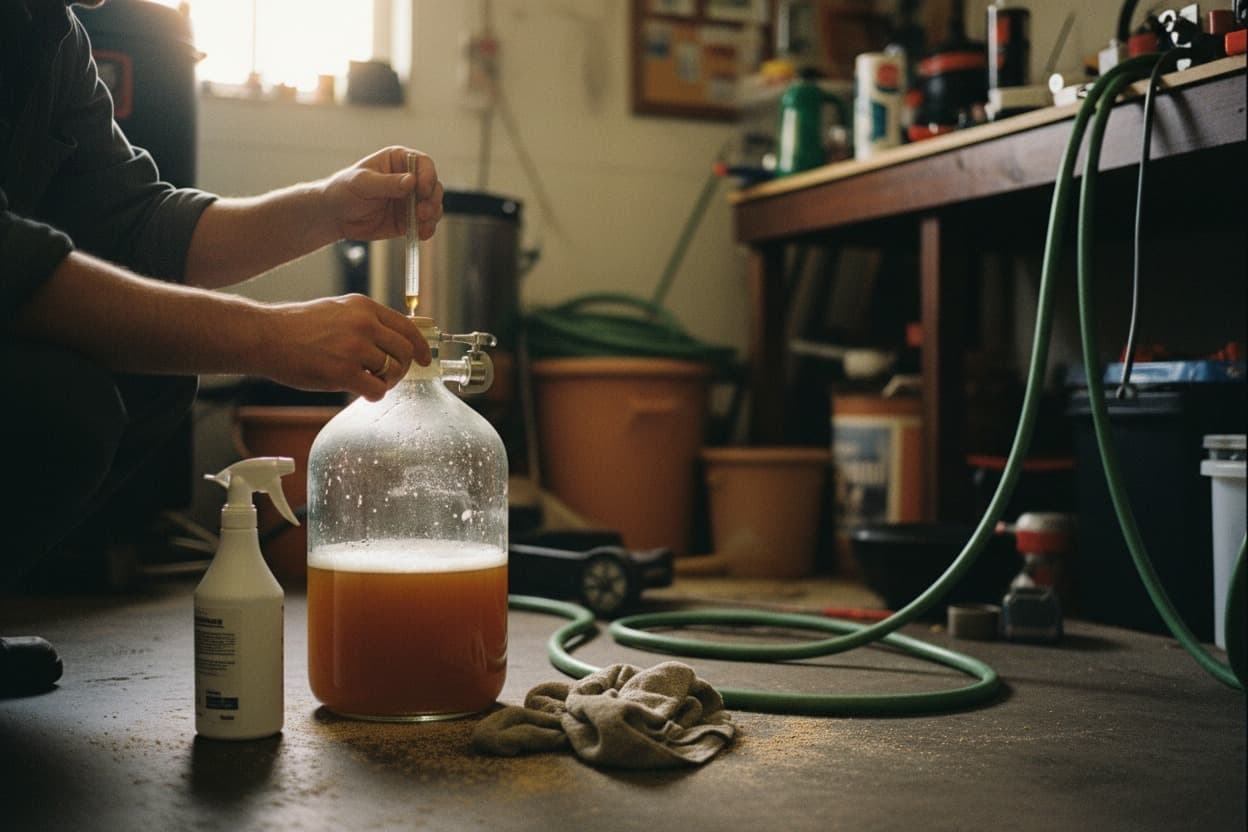
Homebrewing

About three weeks from brew day to a drinkable beer, and brew day itself is a four to six hour block, standing, with a lot of cleaning. That is the honest picture. Extract kits are the right entry and all-grain can wait until batch five. It suits this stage because the time cost is the part that got easier and the process rewards patience.

$150–$400

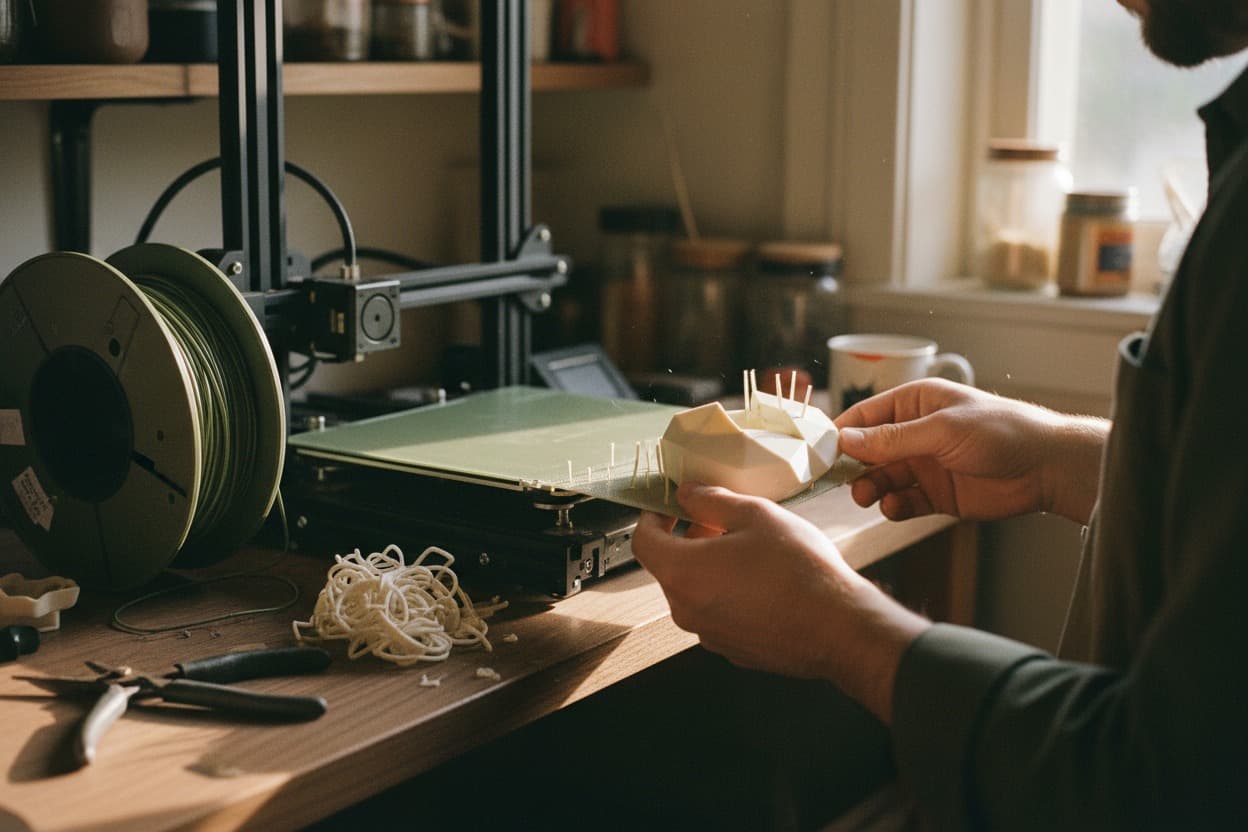
3D Printing

First printed object comes the day you set it up, which is the fastest result on this list. Sessions run 30 minutes to two hours and the work is seated at a screen. It suits anyone who wants to fix and make small things around the house without a workshop. The learning is in design, not in printing, and that part takes months.

$199–$600

Built-in company

4 picks

Friendship after 50 is a scheduling problem. These four put the same faces in front of you on a repeating basis without anyone having to arrange it, which is the mechanism that does the work. Golf and pickleball cost the most and deliver the most contact hours.

Pickleball, close crop on hands mid-task

$40–$120 to start

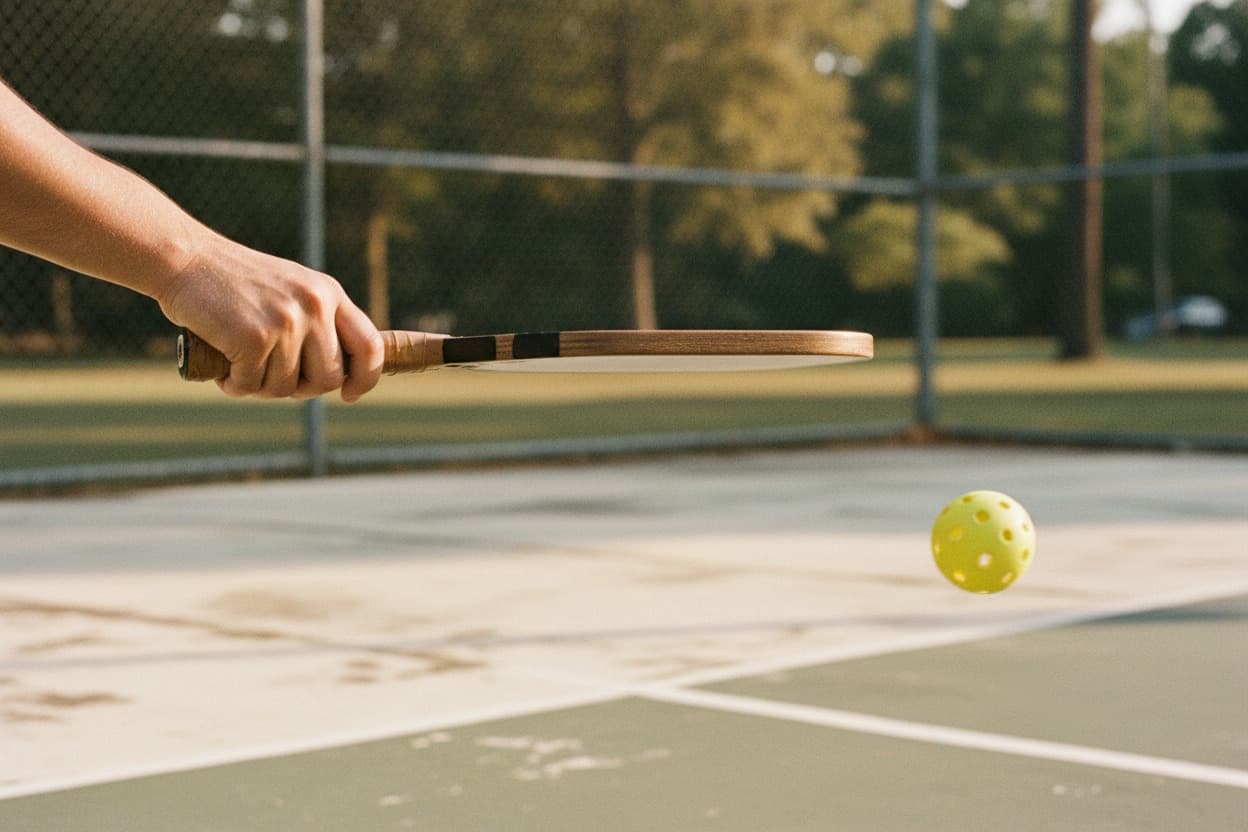
Pickleball

Two-paddle sets start around $85 and most public courts are free. You will rally on day one, which is the reason this took over from tennis at this age. Games run 60 to 120 minutes. Movement is lateral rather than high impact, but it is still a sport, so build up before joining a league rather than after.

The full cost sheet →

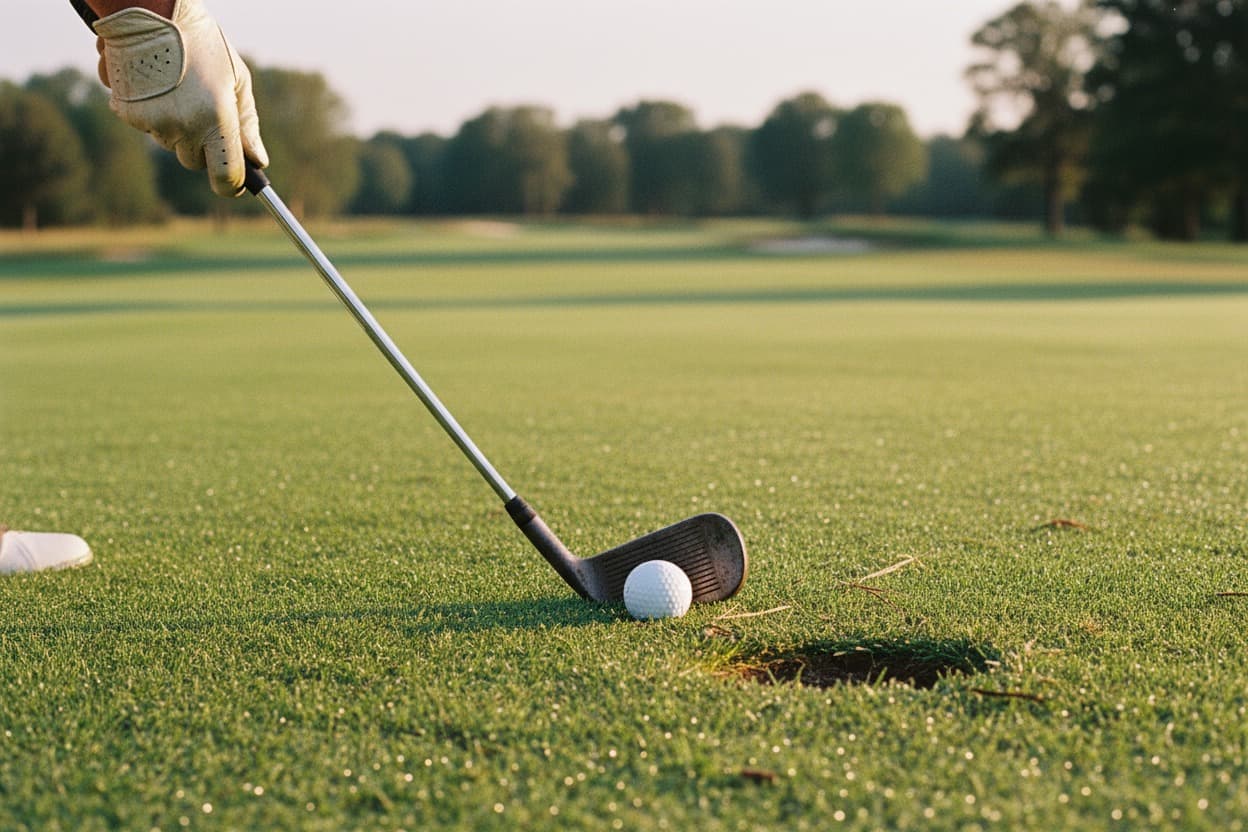
Golf

The largest ongoing cost here and the best-structured social hobby on the list, because a fourball is four hours of company with a task. A round takes three to five hours. First week of lessons will be discouraging and about a week in you get one shot that explains the whole thing. Buy used clubs until you know your swing.

$300–$1,200

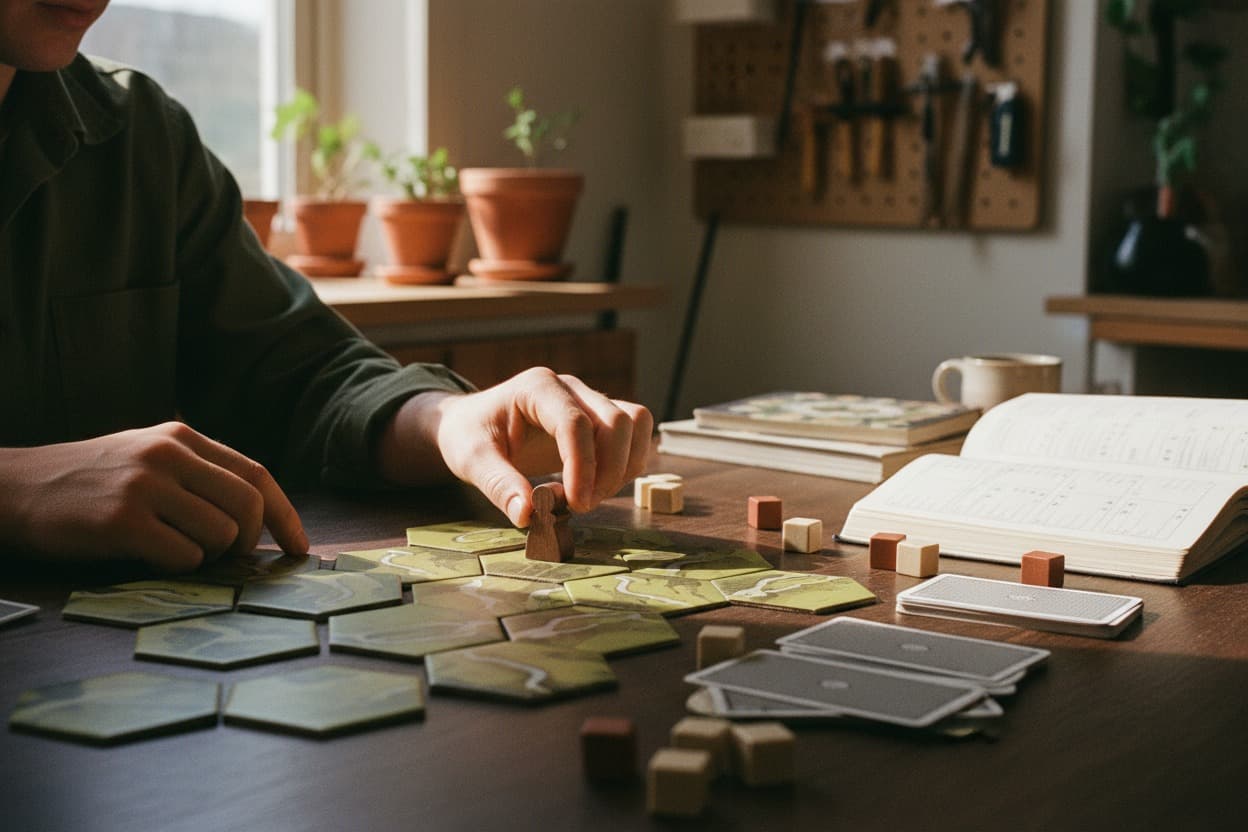
Modern Board Games

The cheapest way to build a repeating evening with the same people, which is the actual mechanism behind adult friendship. Sessions run 45 minutes to two and a half hours. Modern games are a long way from the ones you remember, so ask for a two-player and a four-player recommendation rather than buying from a shelf.

$32–$150

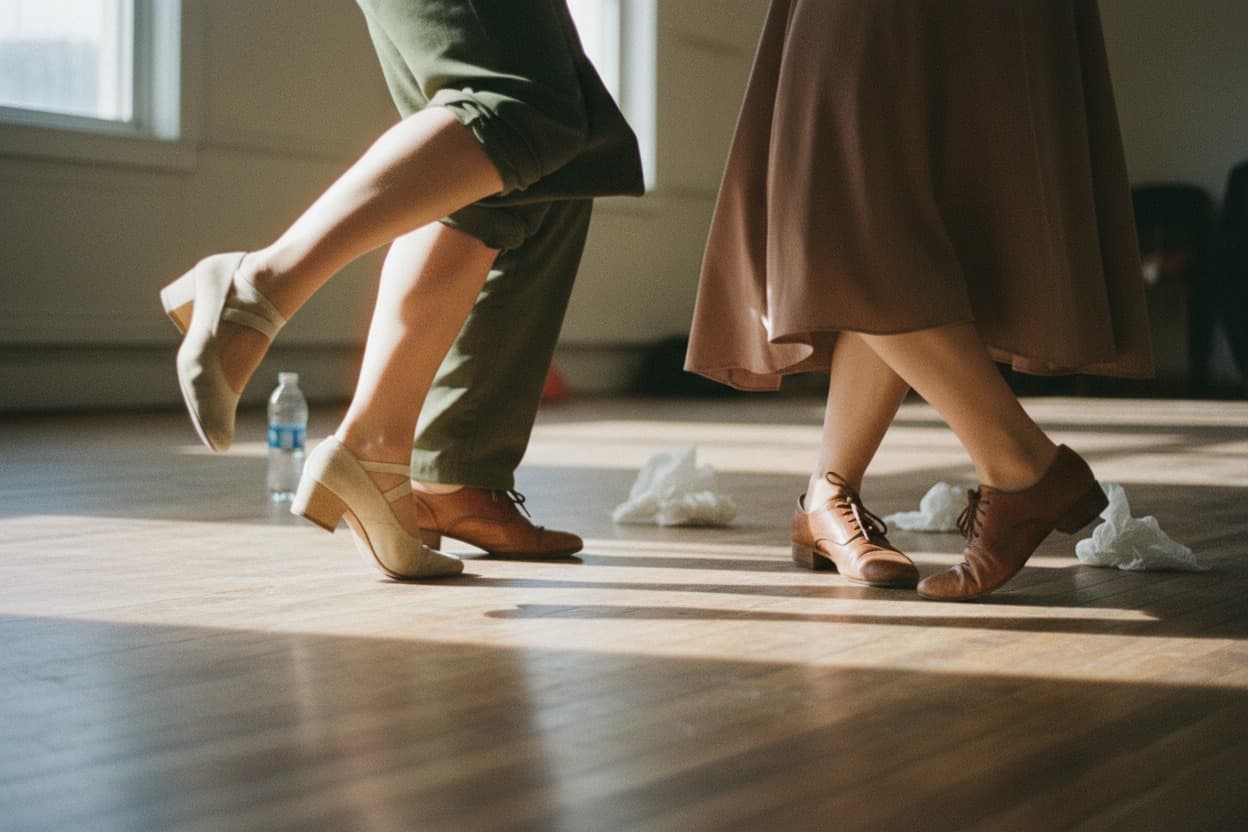
Partner Dancing

A beginner course puts a fixed hour on the calendar with the same faces. Expect about three months before it feels less like homework. Sessions run 60 to 120 minutes and the movement is low impact but continuous, so it is genuinely exercise. Most beginner courses rotate partners, so arriving alone is normal.

$50–$300

Outdoors without a long drive

3 picks

Three that fit into an ordinary week rather than requiring a trip, and all three stack with each other. If the weather or the knees rule the outdoors out for stretches of the year, the at home list covers the indoor version of the same question, the cheap hobbies list sorts by running cost, and how to find a hobby as an adult covers choosing when nothing on any list appeals yet.

Gardening, close crop on hands mid-task

$50–$300 to start

Gardening

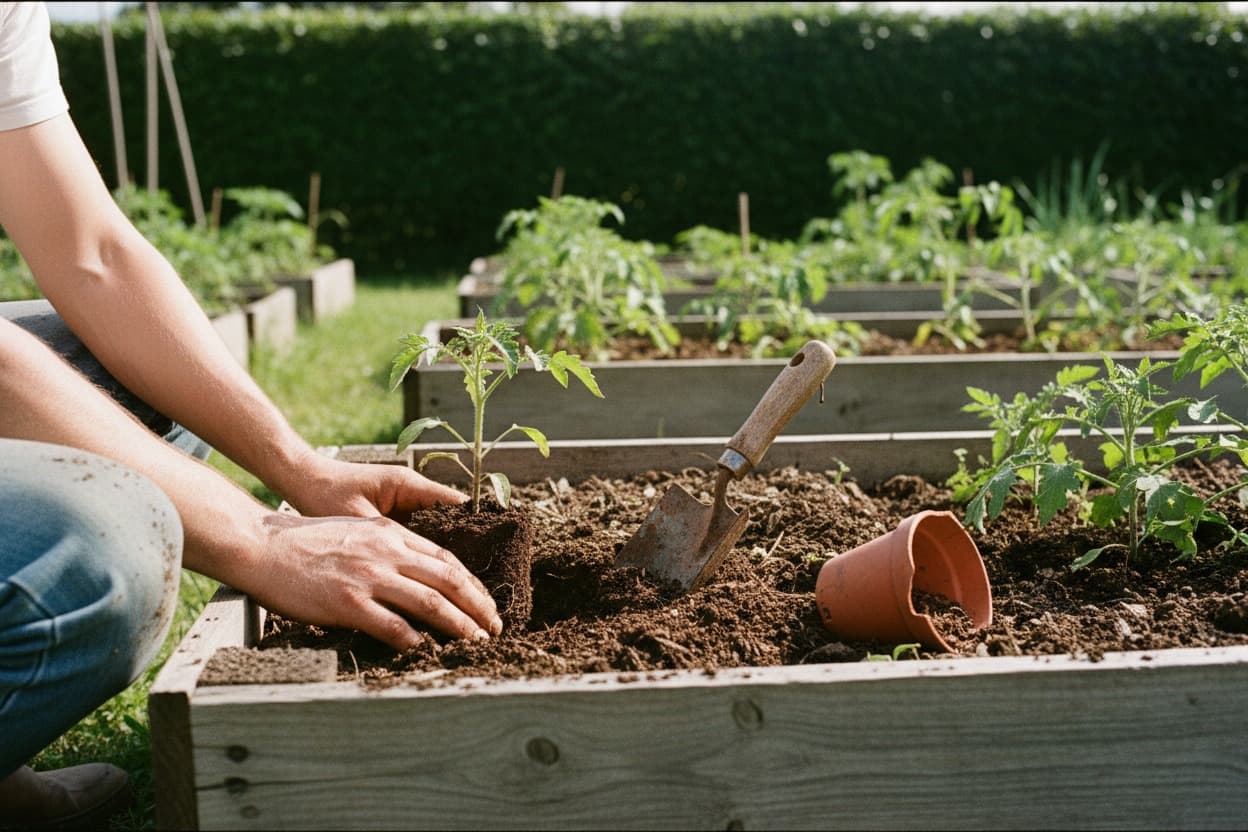
About three weeks to a first visible result and a payout that runs across a season. Sessions are 30 minutes to two hours and scale to whatever your back agrees to that day, which is the reason it holds up here. Raised beds remove most of the kneeling. Start with herbs and one crop you actually eat rather than a full plot.

The full cost sheet →

Hiking

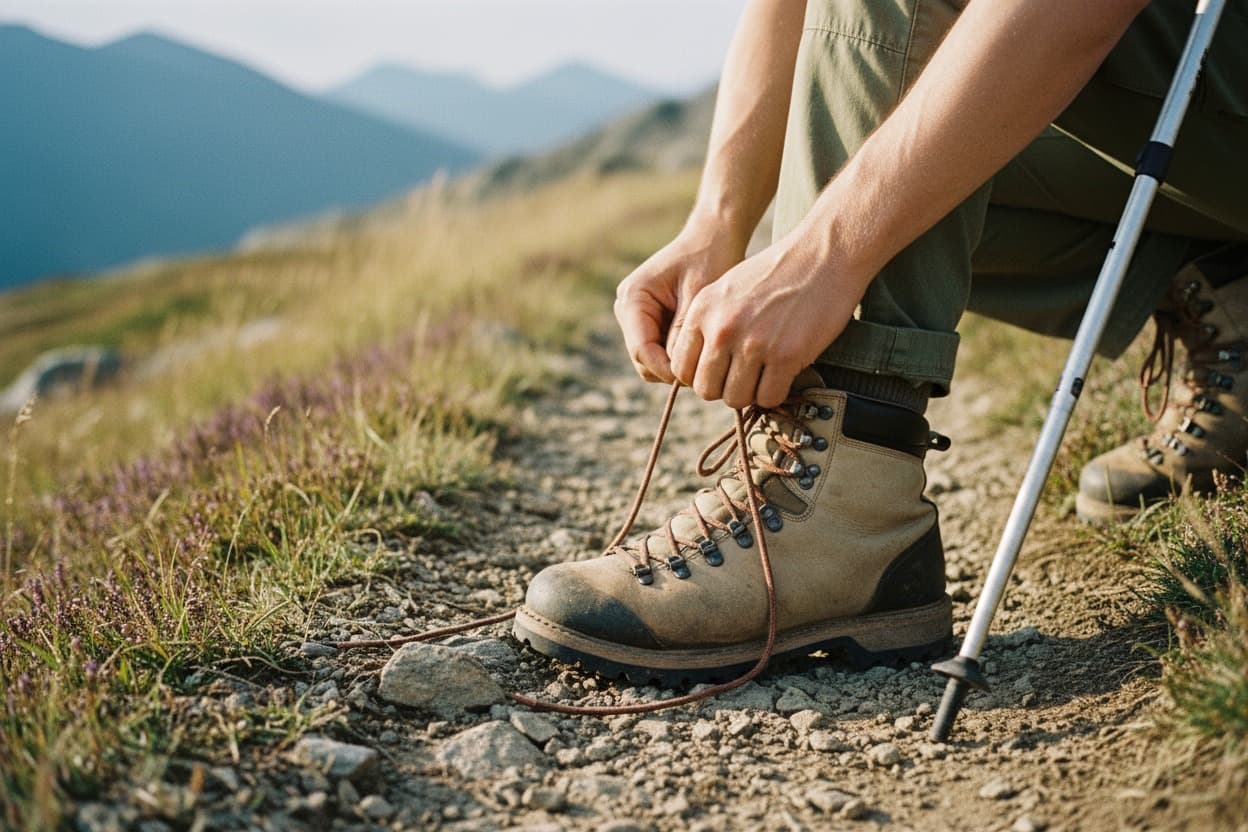
Free, self-paced, and the only purchase that matters is footwear that fits properly. Sessions run one to five hours. Poles take a meaningful amount of load off the knees on descents and are worth having before you decide you need them. Pick trailheads within 20 minutes of home if you want this weekly rather than monthly.

$40–$250

Photography

Costs nothing to start because your phone is a capable camera and the constraint is what you notice, not what you own. It converts an ordinary walk into a task, which is why it pairs well with hiking and birdwatching. First frame you are pleased with comes within a day. Shoot weekly for three months before buying anything with a lens mount.

$0–$800

Side by side

HobbyTo startPer session
Birdwatching$0–$30045 min–3 hr
Fishing$110–$3001.5 hr–5 hr
Chess$0–$6015 min–1.5 hr
Piano$200–$90020 min–1 hr
Vinyl Records$150–$60030 min–2 hr
Yoga$20–$12020 min–1.3 hr
Woodworking$105–$1,5001.5 hr–4 hr
Leathercraft$60–$18045 min–2 hr
Homebrewing$150–$4004 hr–6 hr
3D Printing$199–$60030 min–2 hr
Pickleball$40–$1201 hr–2 hr
Golf$300–$1,2003 hr–5 hr
Modern Board Games$32–$15045 min–2.5 hr
Partner Dancing$50–$3001 hr–2 hr
Gardening$50–$30030 min–2 hr
Hiking$40–$2501 hr–5 hr
Photography$0–$80030 min–3 hr

Not sure which of the 17 fits you?

Seven questions on the time, budget and energy you actually have.

Find my pastime

Gear and class links may earn us a commission. It never changes the price, or which gear we recommend.

Common questions

What is a good hobby to start at 50 or later?
One with a short path to a first result and no impact on the joints. Birdwatching, chess, fishing and piano all give you something real inside a week. Starting late is not the problem people expect. The problem is picking something whose first six months are all failure, because nothing enforces practice at this stage except enjoyment.
How do men make friends after 50?
Through activities that repeat with the same people, not through events. Pickleball, a golf group, a regular board game night and a beginner dance course all work for the same reason: they put the same faces in front of you weekly without anyone having to organise a friendship. Shoulder to shoulder beats face to face for most people here.
Which of these are easiest on the knees and back?
Birdwatching, chess, piano, records and fishing involve no impact at all, and most of them can be done seated. Yoga is the one that actively works on the mobility problem rather than avoiding it. Golf and pickleball are moderate but involve twisting and lateral movement, so ease into both rather than starting at league pace.
Is it worth setting up a workshop at this age?
Only if you have the space already and expect to use it monthly. Woodworking and homebrewing both reward a permanent setup and both punish a temporary one, because the setup and teardown is what makes people stop. If the garage is full, start with leathercraft, which fits on a table and packs away.
Sources