pastime.com

18 cheap hobbies that stay cheap after month one

Cheap to start and cheap to continue are different questions, and the second one decides whether a hobby survives. Everything here is costed from what a beginner actually has to buy, not from the version that assumes you already own half the kit. Where a hobby is cheap to begin and expensive to keep, we say so in the entry.

Prices checked August 6, 2026 / 9 sources linked / The pastime.com editors

hobbies listed
18
to start
$0 to $800
prices checked
August 6, 2026

Free, or as close as it gets

6 picks

Six hobbies where the entry cost is either nothing or something you already own. None of them are lesser hobbies for being free, but all of them charge you in attention instead of money, which is the harder currency for most people to keep paying.

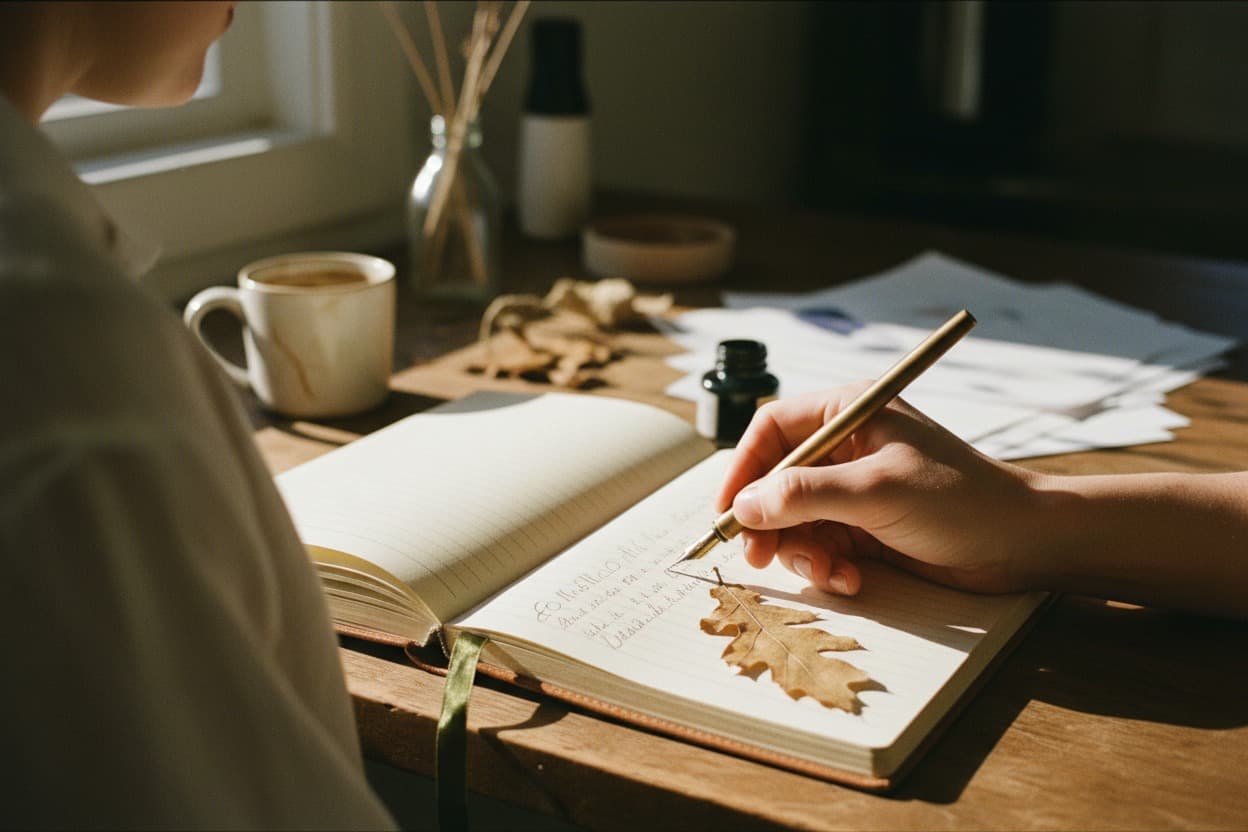
Journaling, close crop on hands mid-task

$2–$45 to start

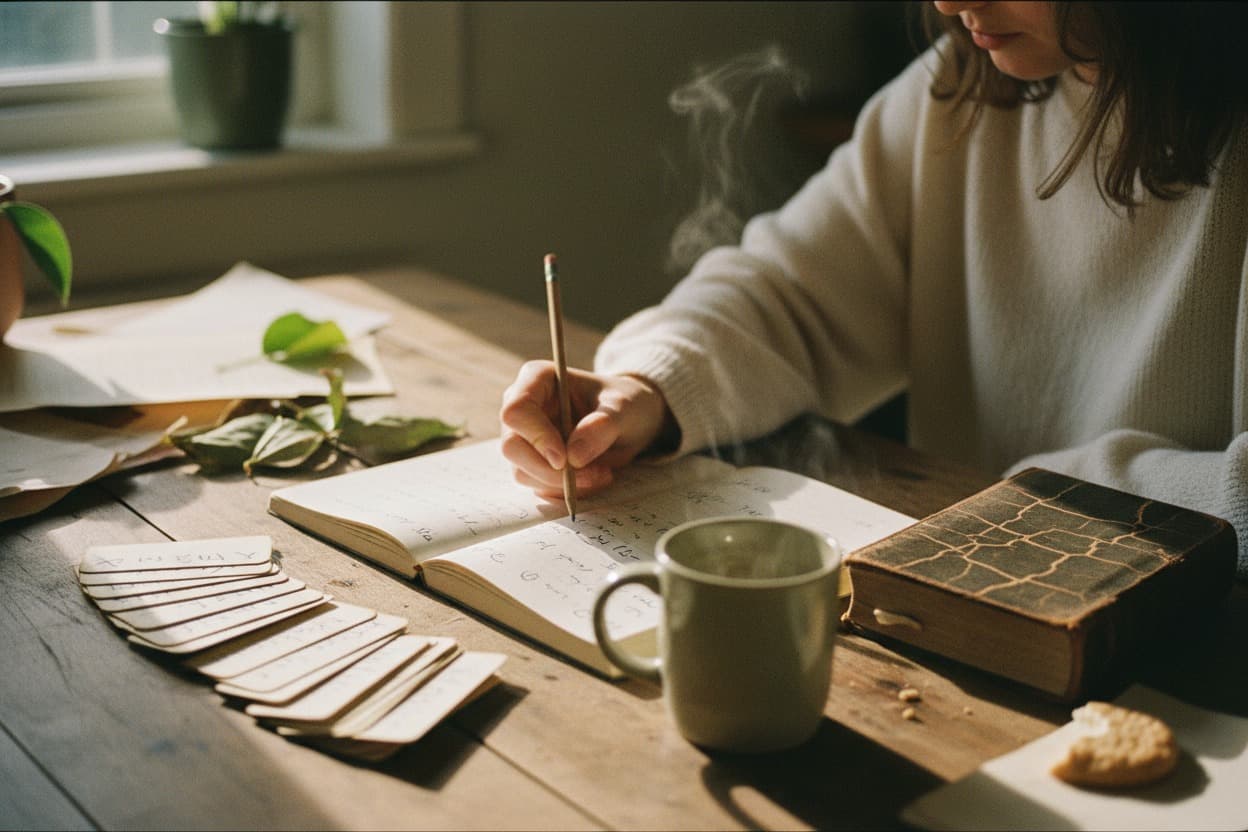
Journaling

The cheapest hobby that still counts as one. A notebook and a pen, ten to thirty minutes, and a first useful entry on day one. Nothing else on this list has a lower cost of quitting. The catch is that it only compounds if you actually reread, so give it a format (three lines a day, a weekly page) rather than a blank book and good intentions.

The full cost sheet →

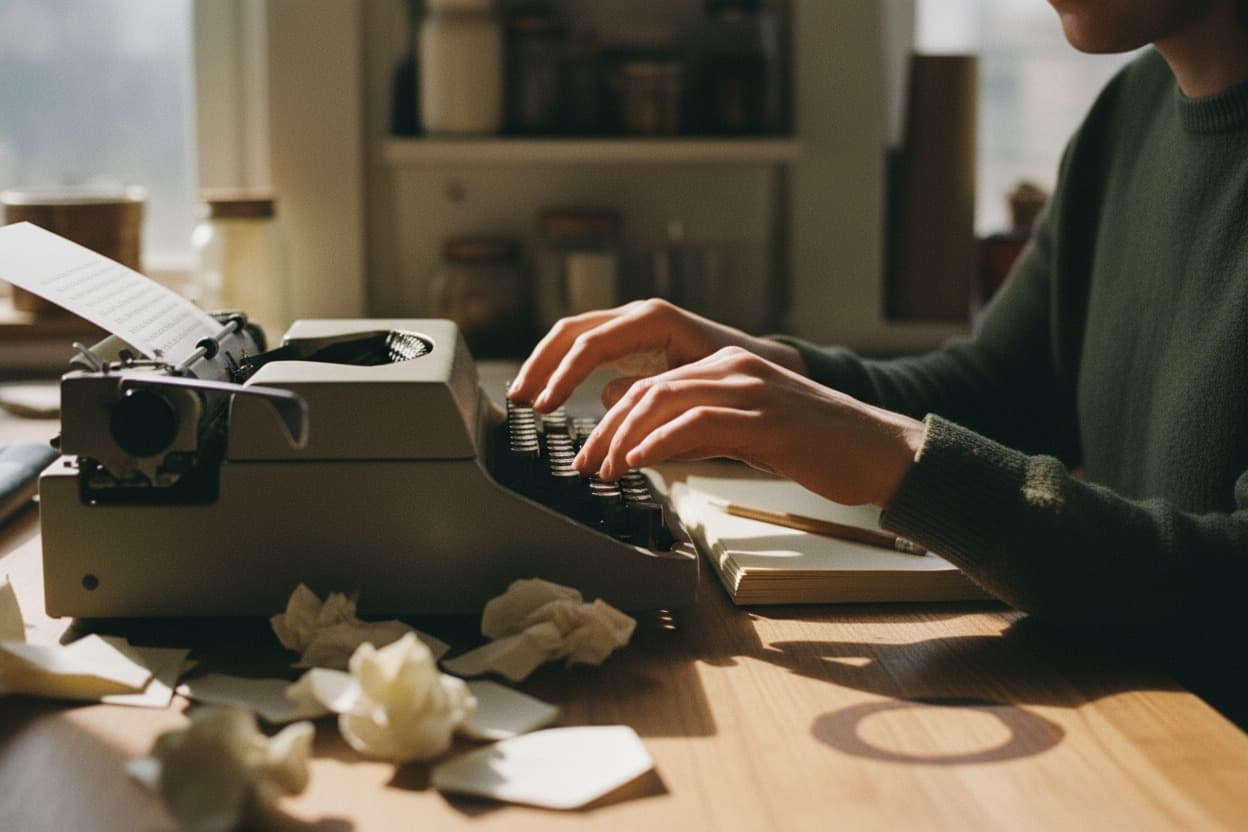
Creative Writing

Free if you own any device or any paper. Sessions run 30 minutes to two hours and a first finished short piece takes about three days of real work. The cost is entirely attention, which makes it the hardest cheap hobby to sustain. Join or start something with a deadline, because writing without a reader is the most commonly abandoned hobby here.

$0–$60

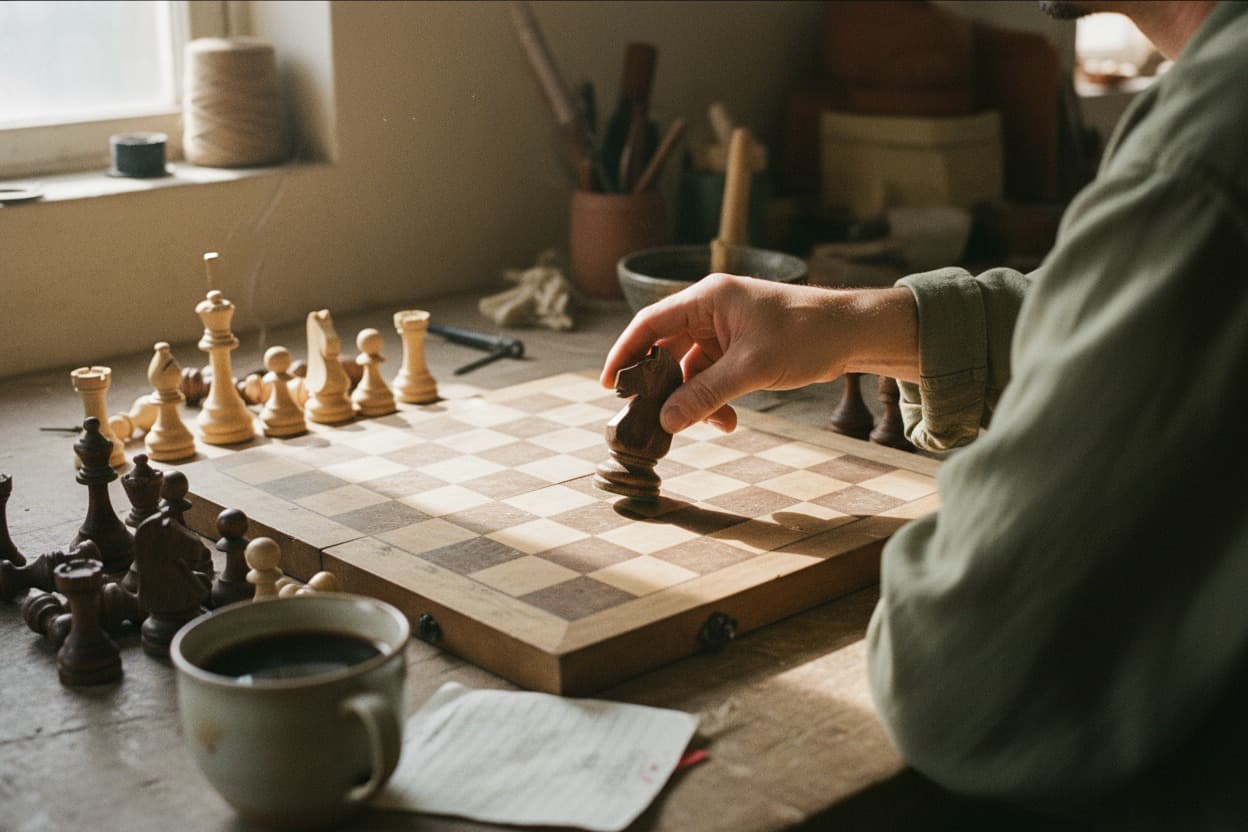
Chess

A tournament-legal set and board from Chess House is $19.50 and that is the whole lifetime cost. Online play is free and gives you an opponent at your level within seconds, which no other cheap hobby manages. Games run 15 to 90 minutes. Expect a plateau around month two that only study clears, and expect to lose a lot before that.

$0–$60

Language Learning

Free tools cover the first several months honestly, so the real budget line is 15 to 45 minutes a day rather than dollars. First exchange that feels like communication comes in about three days. Where money starts to matter is conversation practice, which is the part that actually moves you and the part free apps do worst.

$0–$60

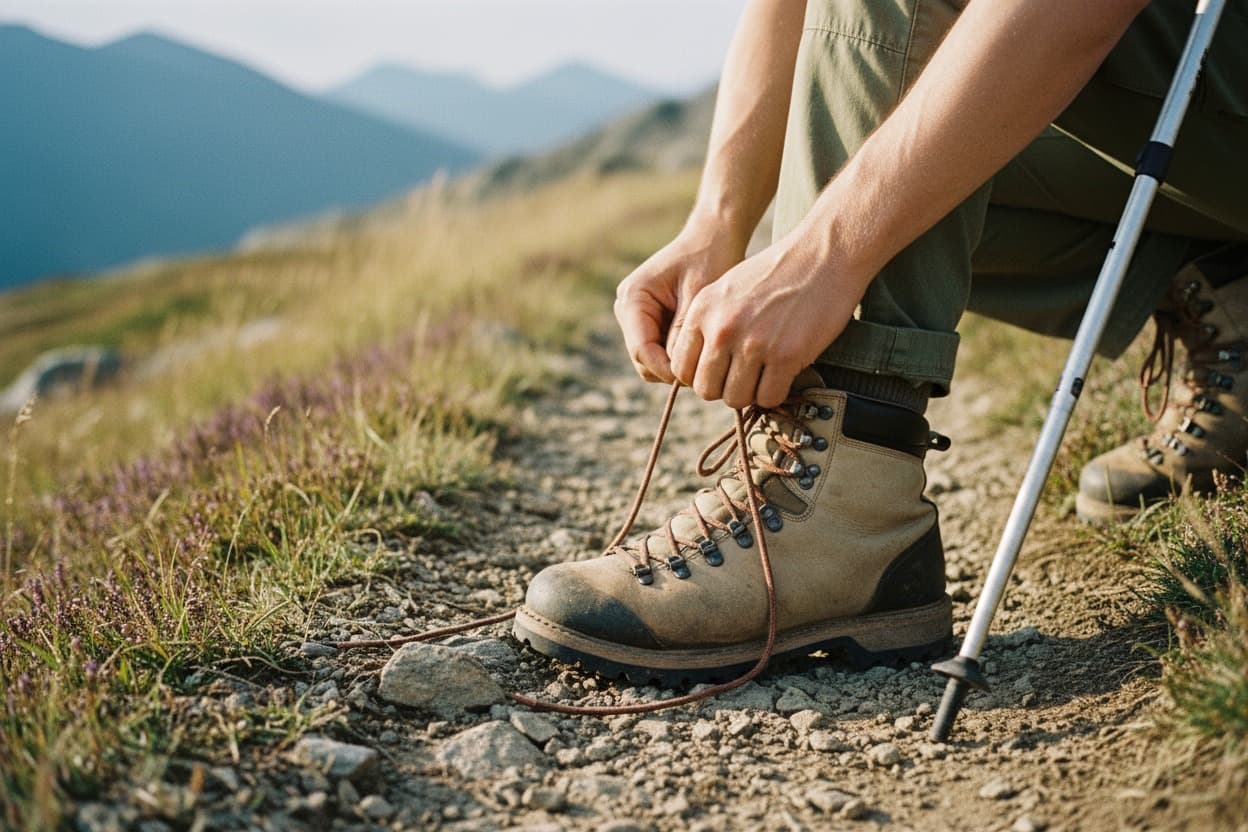
Hiking

Trails are free and the only purchase that changes anything is footwear that fits. Sessions run one to five hours, and the first outing is satisfying with no skill at all. The cost that catches people is driving to trailheads, so pick something within 20 minutes if you want this to be a weekly habit rather than a monthly outing.

$40–$250

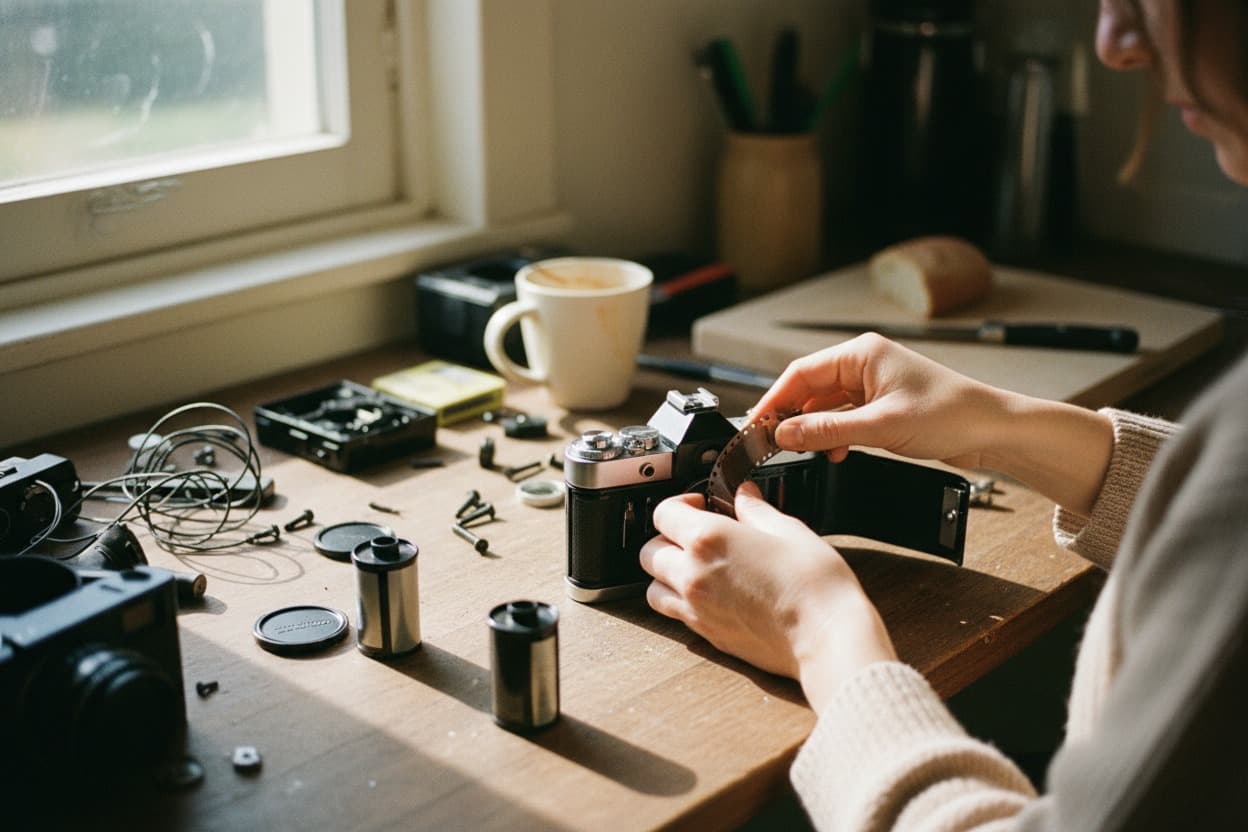
Photography

Starting cost is zero because your phone is a competent camera and the constraint is seeing, not sensors. First frame you are pleased with comes within a day. It only becomes expensive if you decide to make it expensive, and the honest advice is to shoot weekly for three months before buying anything with a lens mount.

$0–$800

Under $25 to start

5 picks

The bracket where trying something and dropping it costs less than one evening out. Every entry here gets you a first real attempt on the day the box arrives, which is exactly what you want when the point is to find out whether the hobby suits you.

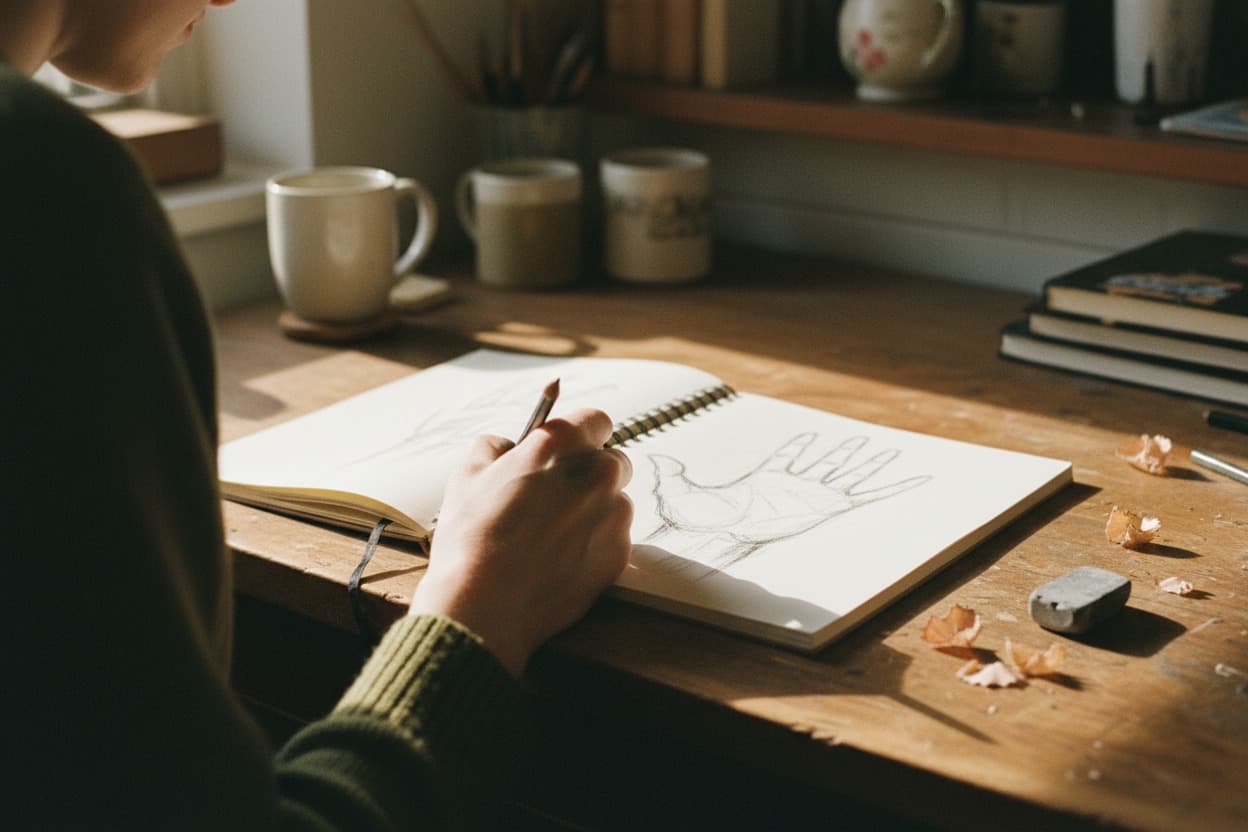
Drawing, close crop on hands mid-task

$15–$60 to start

Drawing

A Strathmore 400 Series 9 by 12 sketch pad is $6.24 and a handful of pencils finishes the kit. Sessions run 15 to 90 minutes, which makes it the easiest cheap hobby to fit into a real week. Progress is slow and visible, which suits some people and quietly discourages others. Draw the same object weekly to see it.

The full cost sheet →

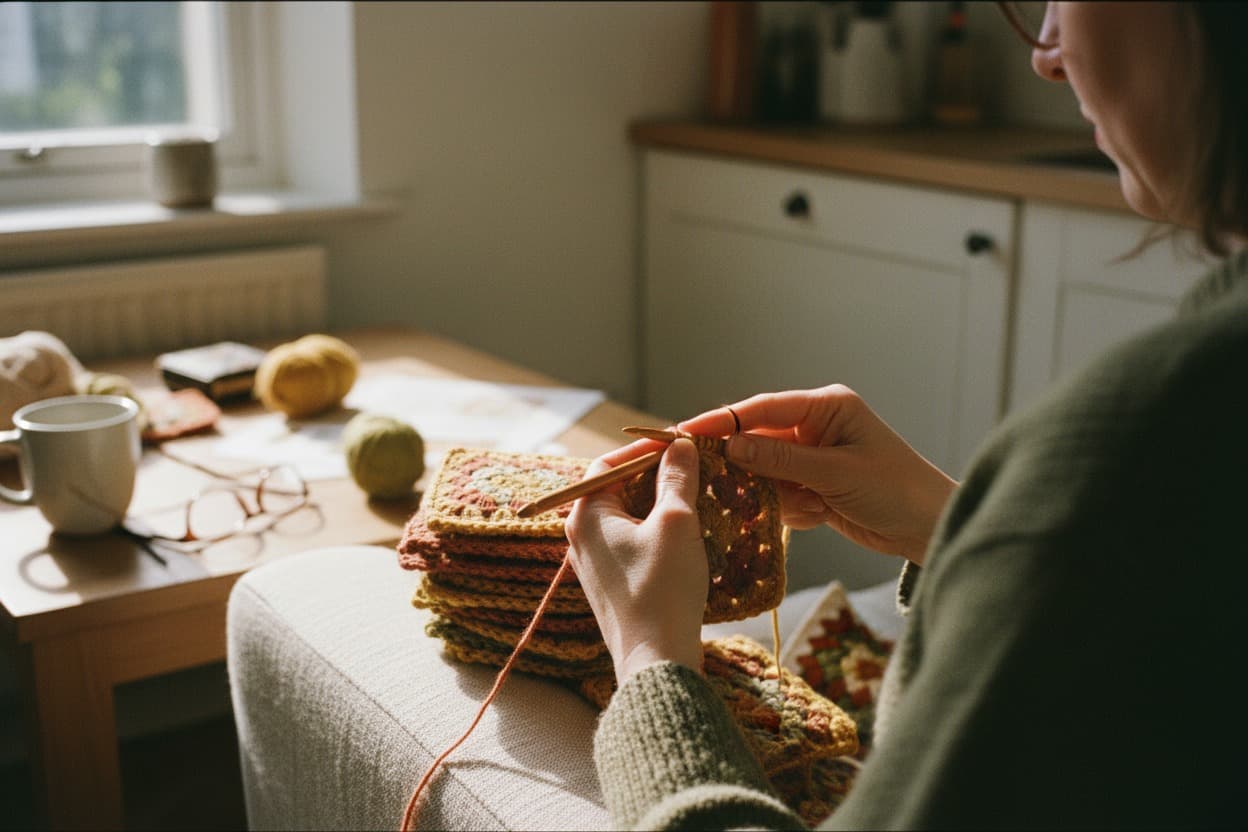
Crochet

A skein of Lion Brand Wool-Ease is $5.99 and one hook finishes the kit, so the whole experiment is small money. Faster to learn than knitting because one hook is easier to control than two needles, and a first finished square takes a couple of evenings. Sessions run 30 minutes to two hours and it travels well.

$15–$50

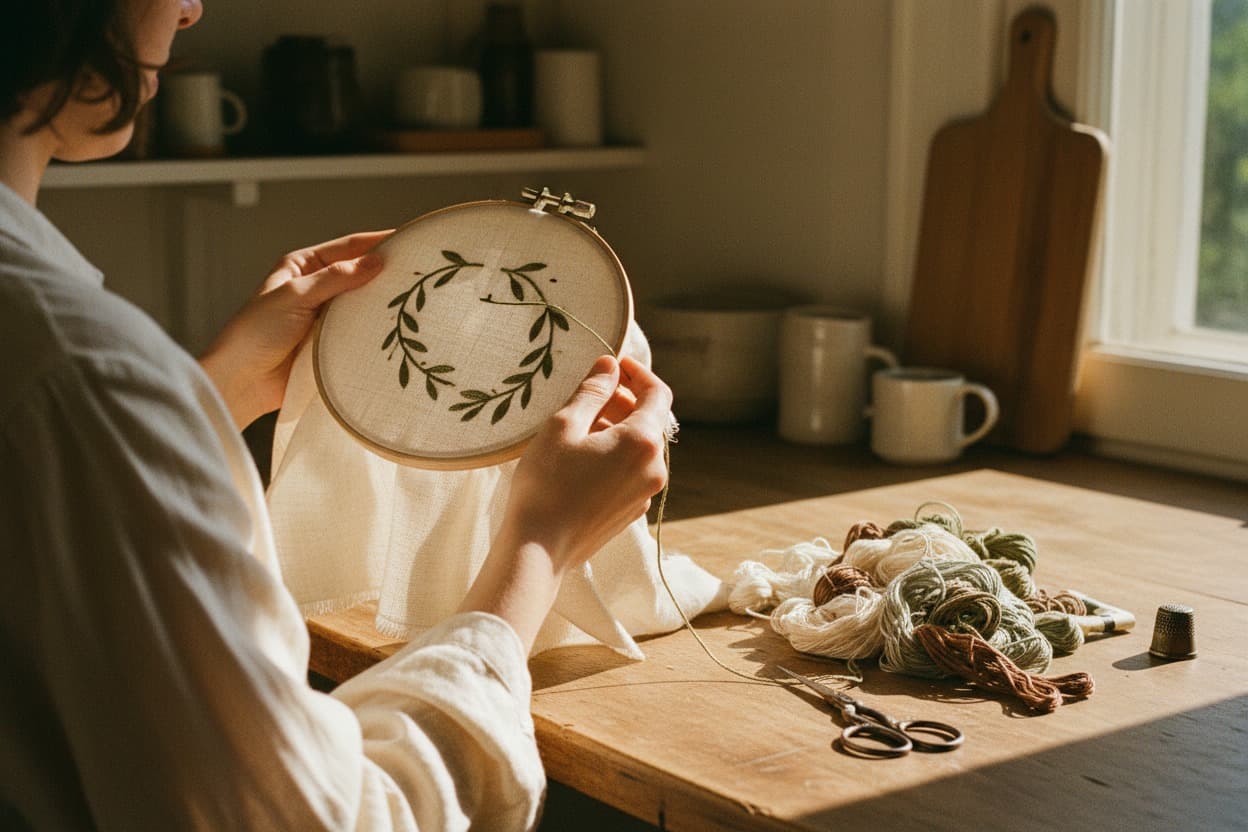
Embroidery

A hoop, a needle and a few skeins of floss, all of it small money and all of it fitting in a tin. Sessions are 30 to 90 minutes and the first finished piece takes an evening or two. Quiet, portable, and no ongoing cost worth naming. Skip it if close detail work bothers your eyes or hands after twenty minutes.

$20–$60

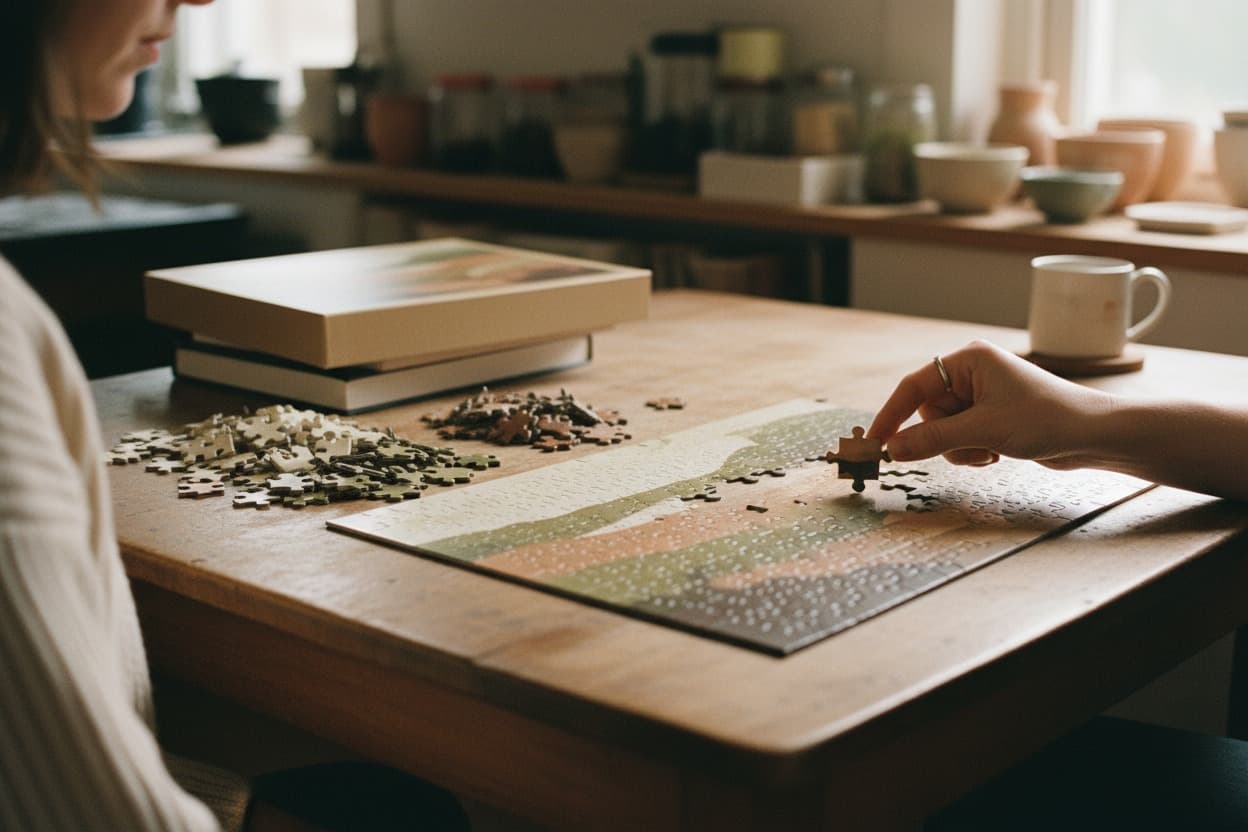
Jigsaw Puzzles

A 1,000-piece Ravensburger puzzle starts at $24.99 and secondhand copies cost almost nothing. Sessions run 30 minutes to two hours and can be picked up mid-piece. The real requirement is a surface you can leave occupied for a week. Puzzles you finish once have low replay value, so trade them or buy used and pass them on.

$15–$60

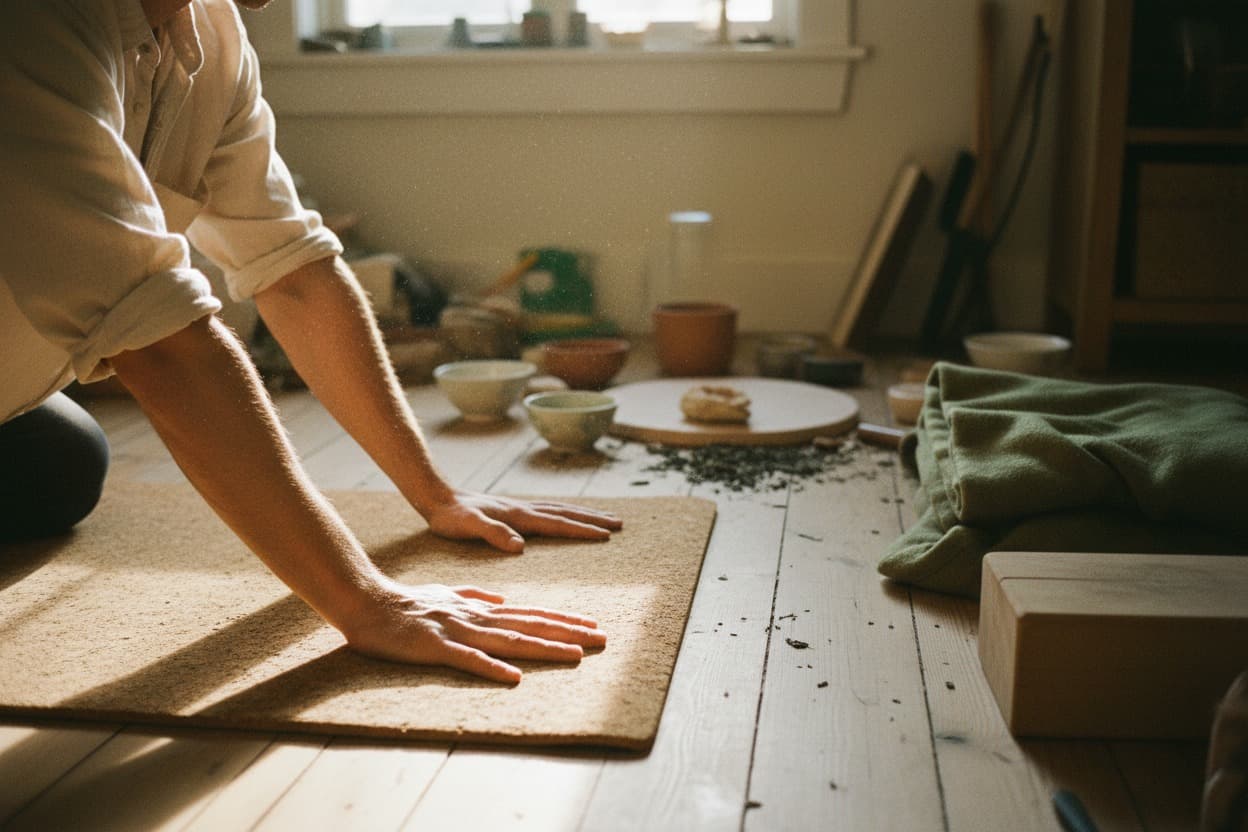
Yoga

A Gaiam Essentials mat is $19.98 and free video classes cover the first year competently. Sessions run 20 to 75 minutes and the first one already feels like something. Studio memberships are where this stops being cheap, and they are optional for a long time. Many people find a short daily practice easier to hold than a weekly class.

$20–$120

Under $50 to start

3 picks

Slightly more committed, and all three of these give you a finished object rather than a practice session. If you want the version of this list filtered for the room rather than the wallet, the at home hobbies list sorts by noise and space instead of price.

Knitting, close crop on hands mid-task

$25–$80 to start

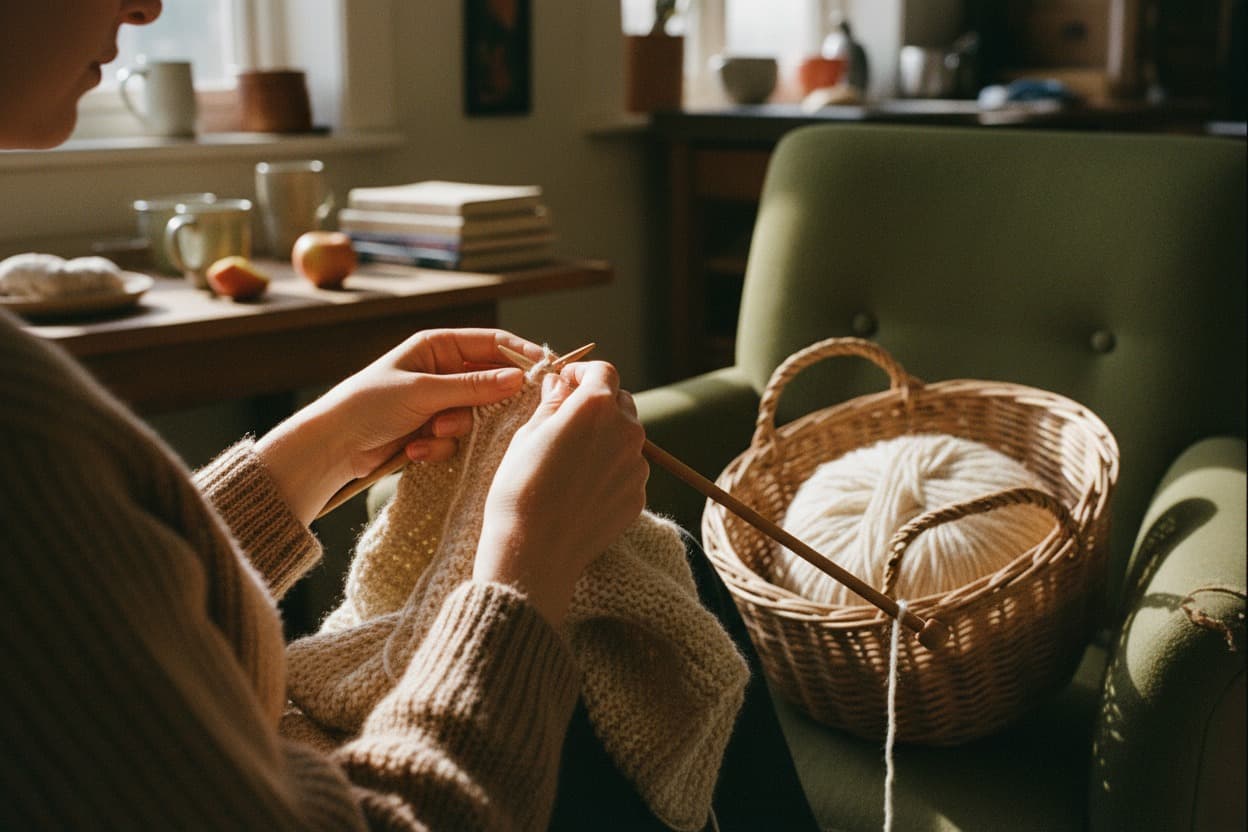
Knitting

One skein of worsted yarn at $5.99 plus a pair of needles is the entire entry cost. Slower to click than crochet, about two evenings before the tension stops fighting you, but the finished objects are more useful. Sessions run 30 minutes to two hours and pause anywhere. Yarn is the cost that grows, and it grows quietly.

The full cost sheet →

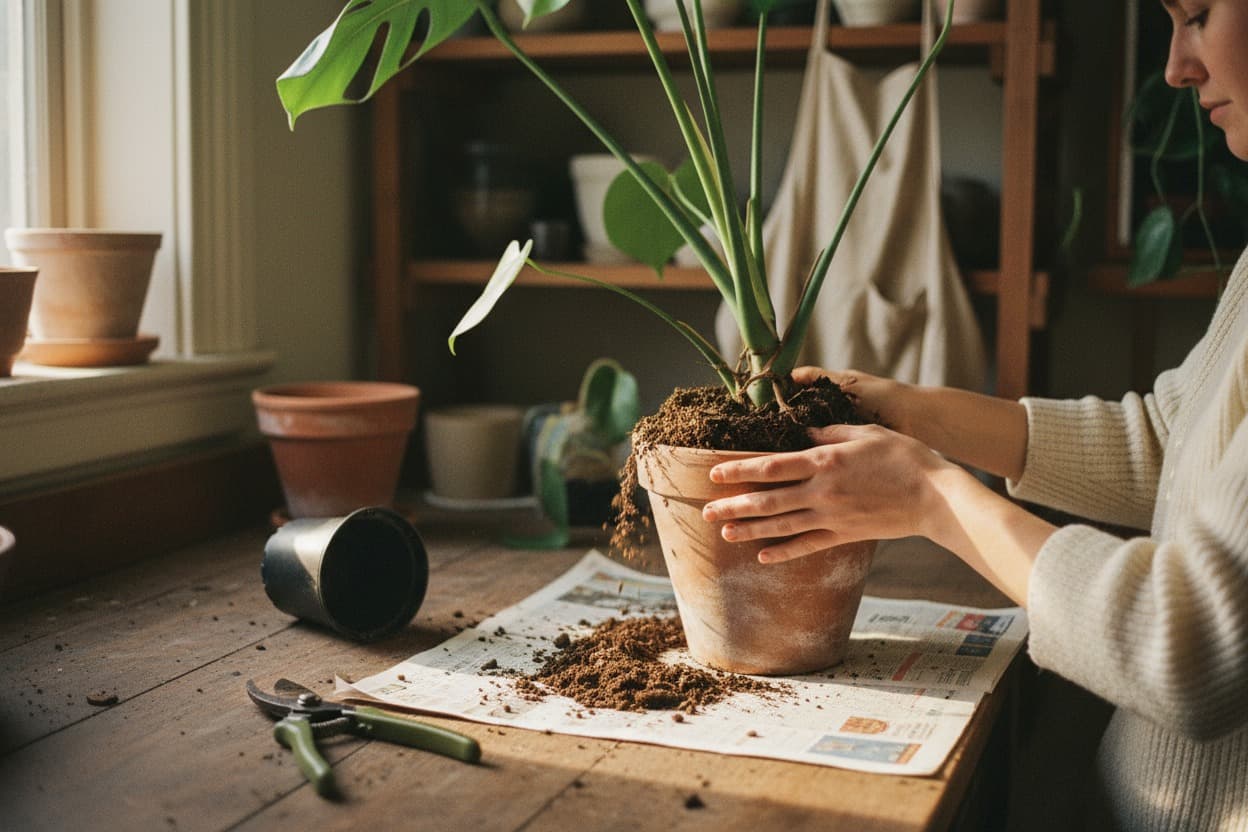
Houseplants

A first plant, a pot and a bag of mix is a small one-time spend, and the running cost is close to nothing if you stop buying new plants. Sessions are 15 to 45 minutes of actual care per week. First result is immediate because the plant is already alive. The honest failure mode is buying six at once and killing five.

$30–$150

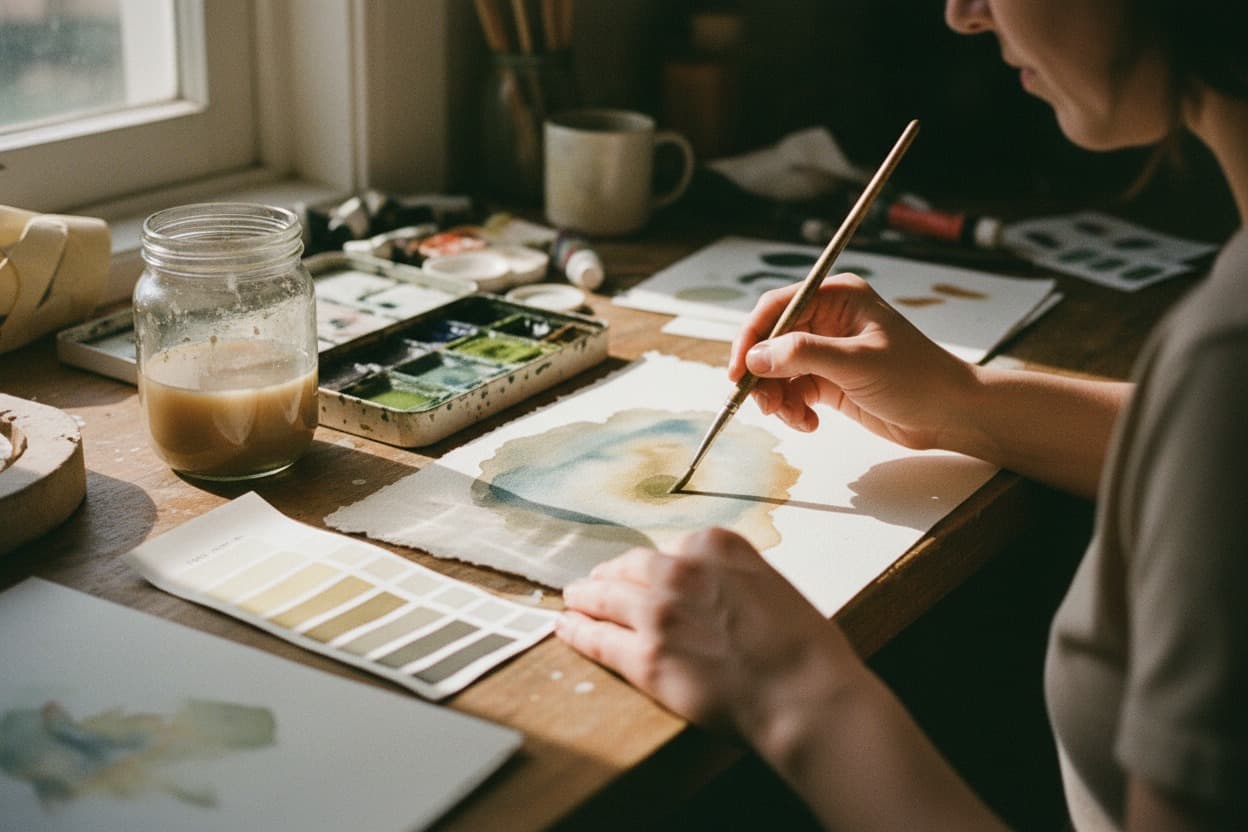
Watercolor Painting

You can start with a cheap pan set, but paper is the thing that decides whether your work looks bad. A Winsor and Newton Cotman 12 half-pan pocket set is $21.51 and lasts years. Sessions run 30 to 90 minutes. Expect roughly two days to a first painting you keep and several months before control arrives, because water does most of the deciding early on.

$30–$120

Cheap to keep going, which is the harder test

4 picks

The number that decides whether a hobby lasts is not what it costs to begin but what it costs in month three, and all four of these run at close to nothing once you are set up. A hobby with a low running cost survives a bad month; a hobby with a subscription does not. Two of them need other people, so read how to find a hobby as an adult if building the group is the part you expect to struggle with, or start from the couples list if you already have one other person.

Pickleball, close crop on hands mid-task

$40–$120 to start

Pickleball

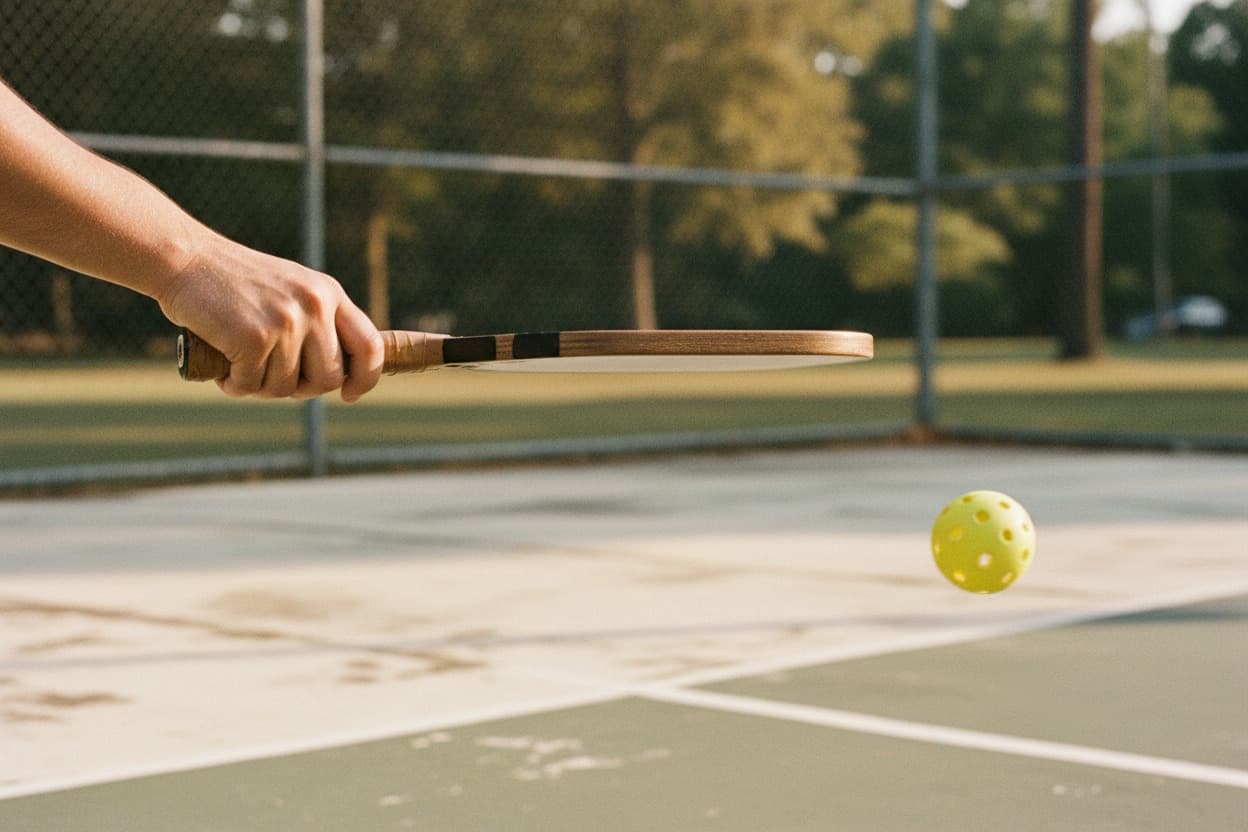
A JOOLA Ben Johns Blue Lightning set is $79.95 for two paddles, four balls and a bag and most public courts are free, so the ongoing cost is close to zero. You will rally on day one, which is rare in racquet sports. Games run 60 to 120 minutes. The expensive version exists (better paddles, indoor club time) and none of it is required to play well.

The full cost sheet →

Birdwatching

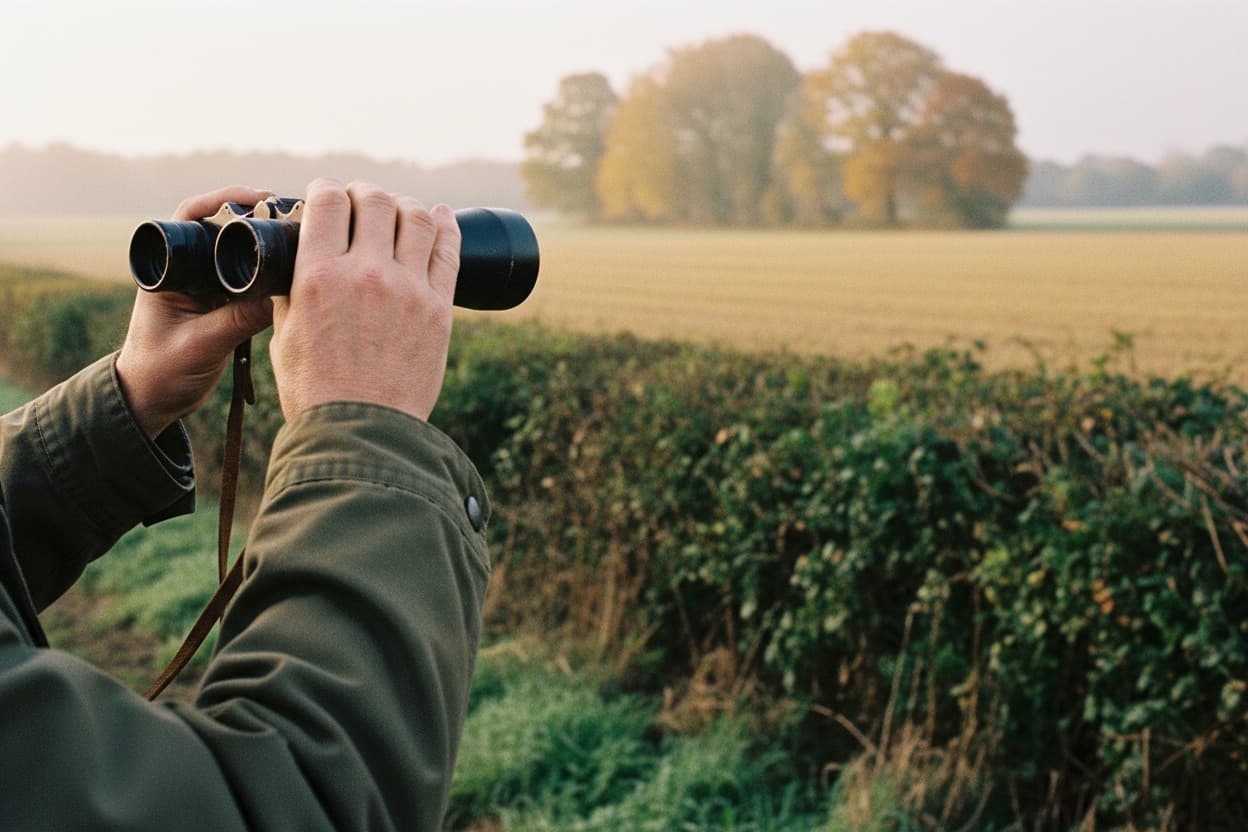
Refurbished Nikon ACULON A211 10x42 binoculars are $69.00, and after that the hobby costs nothing at all. Free apps handle identification. Sessions run 45 minutes to three hours and the first outing produces a result because you will see something you cannot name. Be aware that plenty of birders end up replacing an entry pair within a year, so this is the cheap way in rather than the last pair you buy.

$0–$300

Tabletop RPGs

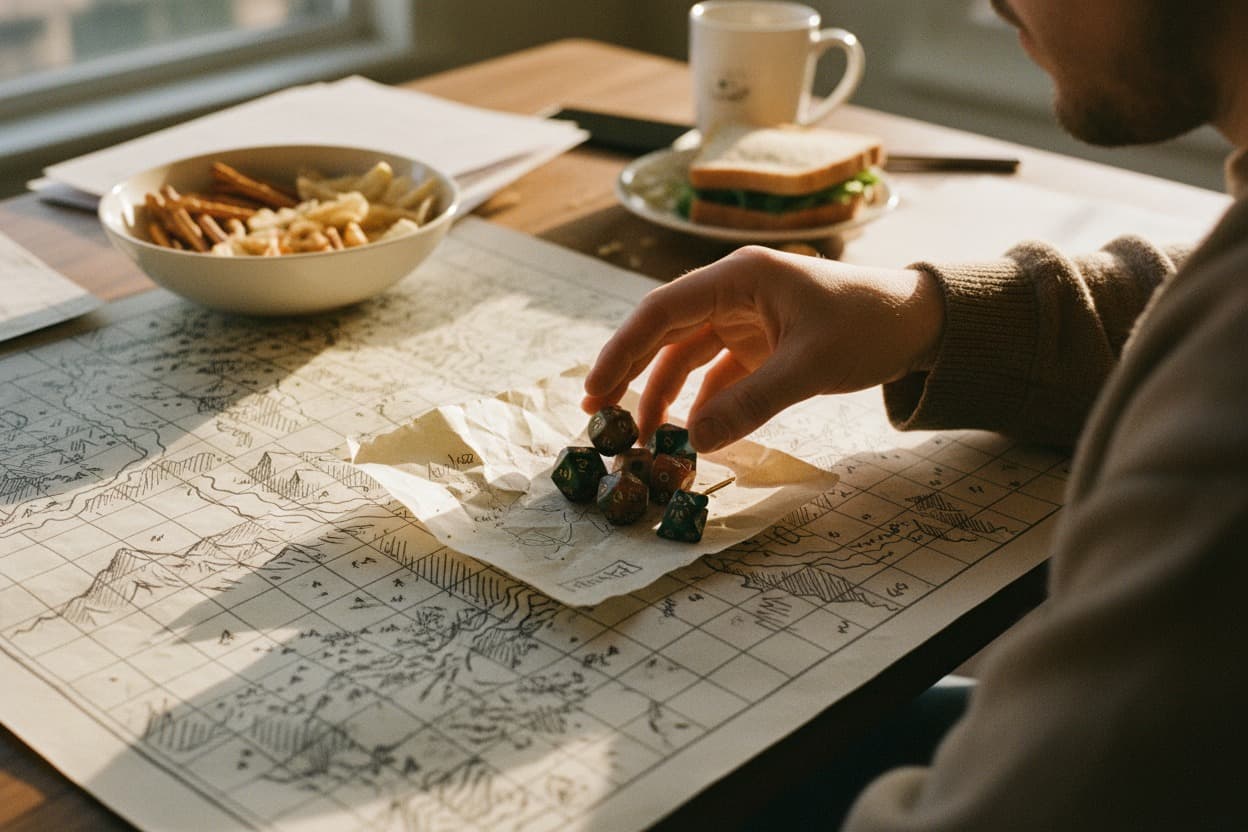
Free basic rules and a set of dice will run a full campaign, so the ongoing cost is close to zero once a group exists. Sessions are three to four hours, which is the real price. Rulebooks and miniatures are where money goes and neither is necessary. The hard part is finding four people with the same free evening, repeatedly.

$20–$150

Sourdough Baking

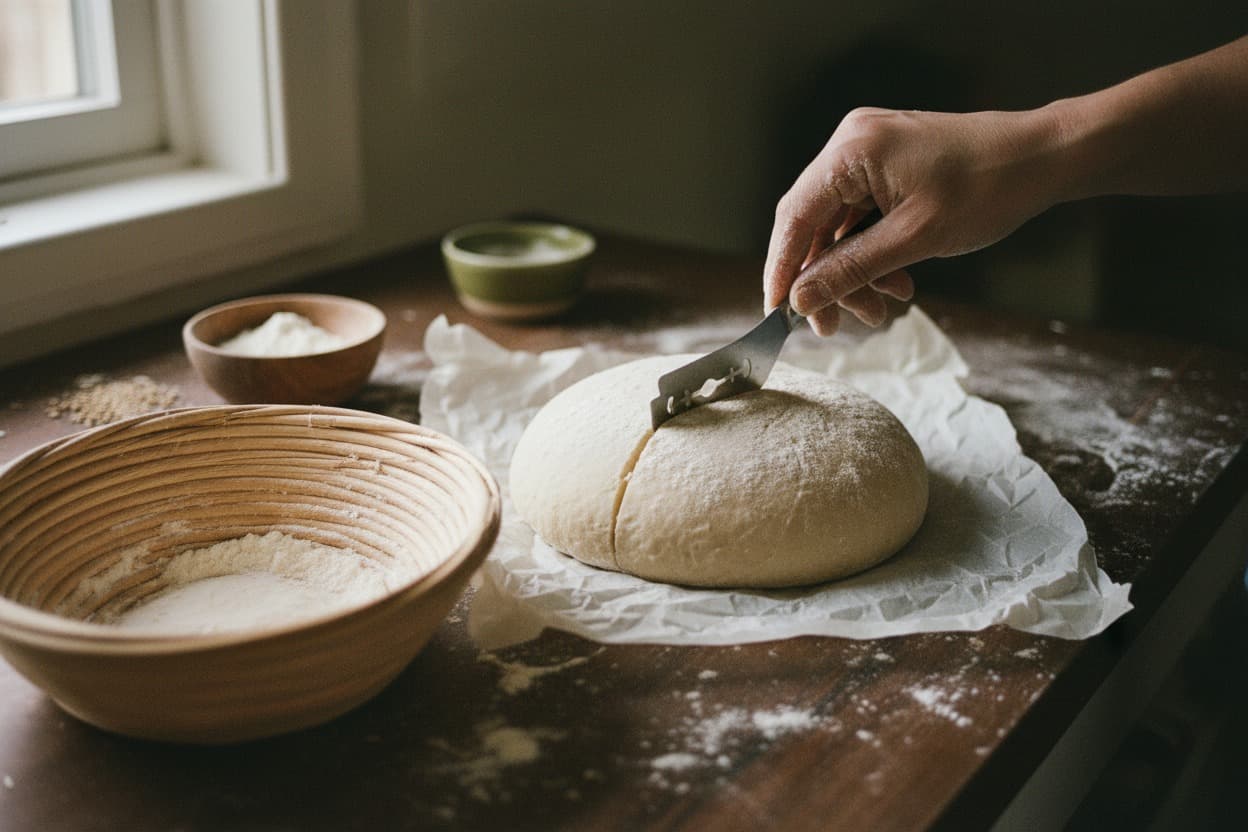
Flour, water and salt, which is close to free, and about a week of patience before the starter is ready. Running cost never rises above a bag of decent flour. The one purchase that visibly changes the loaf is a Lodge 5 quart double dutch oven at $59.90, and it is an upgrade rather than an entry requirement. Skip it if no day in your week is reliably spent at home.

$40–$120

Side by side

HobbyTo startPer session
Journaling$2–$4510 min–30 min
Creative Writing$0–$6030 min–2 hr
Chess$0–$6015 min–1.5 hr
Language Learning$0–$6015 min–45 min
Hiking$40–$2501 hr–5 hr
Photography$0–$80030 min–3 hr
Drawing$15–$6015 min–1.5 hr
Crochet$15–$5030 min–2 hr
Embroidery$20–$6030 min–1.5 hr
Jigsaw Puzzles$15–$6030 min–2 hr
Yoga$20–$12020 min–1.3 hr
Knitting$25–$8030 min–2 hr
Houseplants$30–$15015 min–45 min
Watercolor Painting$30–$12030 min–1.5 hr
Pickleball$40–$1201 hr–2 hr
Birdwatching$0–$30045 min–3 hr
Tabletop RPGs$20–$1503 hr–4 hr
Sourdough Baking$40–$12045 min–2 hr

Not sure which of the 18 fits you?

Seven questions on the time, budget and energy you actually have.

Find my pastime

Gear and class links may earn us a commission. It never changes the price, or which gear we recommend.

Common questions

What is the cheapest hobby to actually start?
Journaling, creative writing and language learning, in that order. All three need something you already own or something free, and all three produce a first result inside a week. Chess is close behind because a tournament-legal set is $19.50 once and online play costs nothing after that.
Are cheap hobbies worse than expensive ones?
No, but they are usually slower. Low-cost hobbies tend to spend the money you saved on practice time instead. That is a good trade if your constraint is money and a bad one if your constraint is patience. Nothing here gets good quickly just because it is cheap.
Which cheap hobbies get expensive later?
Watercolor, photography and pickleball. Each starts at a genuinely low number and then offers an endless ladder of better paper, better glass, better paddles. The running cost of the hobby itself stays low, so the spend is optional. Decide in advance whether you are the kind of person who will treat it as optional.
How long should I wait before upgrading my gear?
Until the cheap version is clearly the thing limiting you, which for most people is somewhere past month three. Beginners rarely lose anything to equipment. Buying better early mostly buys a nicer object to feel guilty about, and it converts a cheap experiment into a sunk cost you feel obliged to justify.
Sources