pastime.com

16 hobbies for women in their 30s, by time and cost

Nothing here was picked because it is feminine. The filter is three constraints that show up hard in this decade: free time arrives in 20 to 40 minute scraps rather than free Saturdays, money is already committed elsewhere, and new friendships only survive if something puts them back on the calendar. Each entry says which of those it answers and what it costs to find out.

Prices checked August 6, 2026 / 6 sources linked / The pastime.com editors

hobbies listed
16
to start
$0 to $800
prices checked
August 6, 2026

Fits in 30-minute scraps

5 picks

The group that solves the actual problem. Every one of these produces a real session in half an hour and survives being interrupted, so it does not depend on an evening staying free. If your honest weekly total is two hours of unclaimed time, start here and nowhere else.

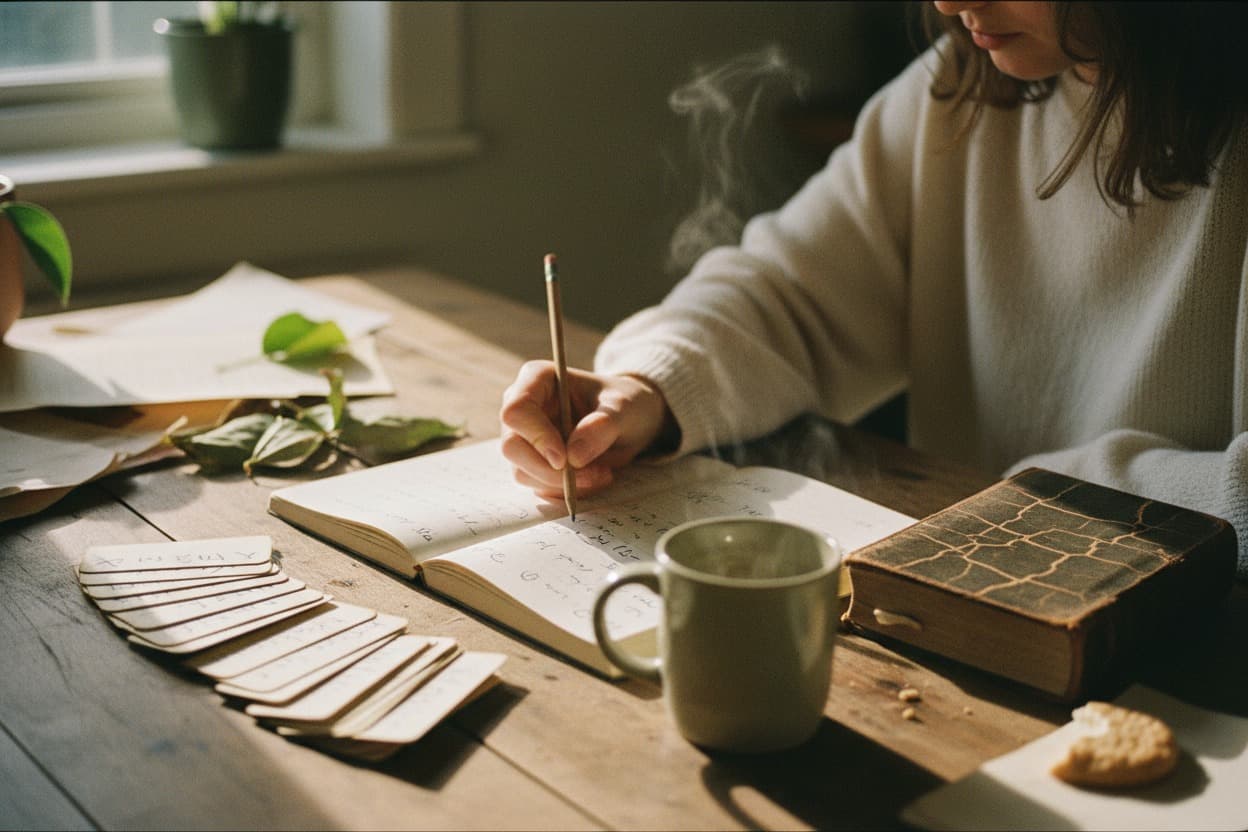
Journaling, close crop on hands mid-task

$2–$45 to start

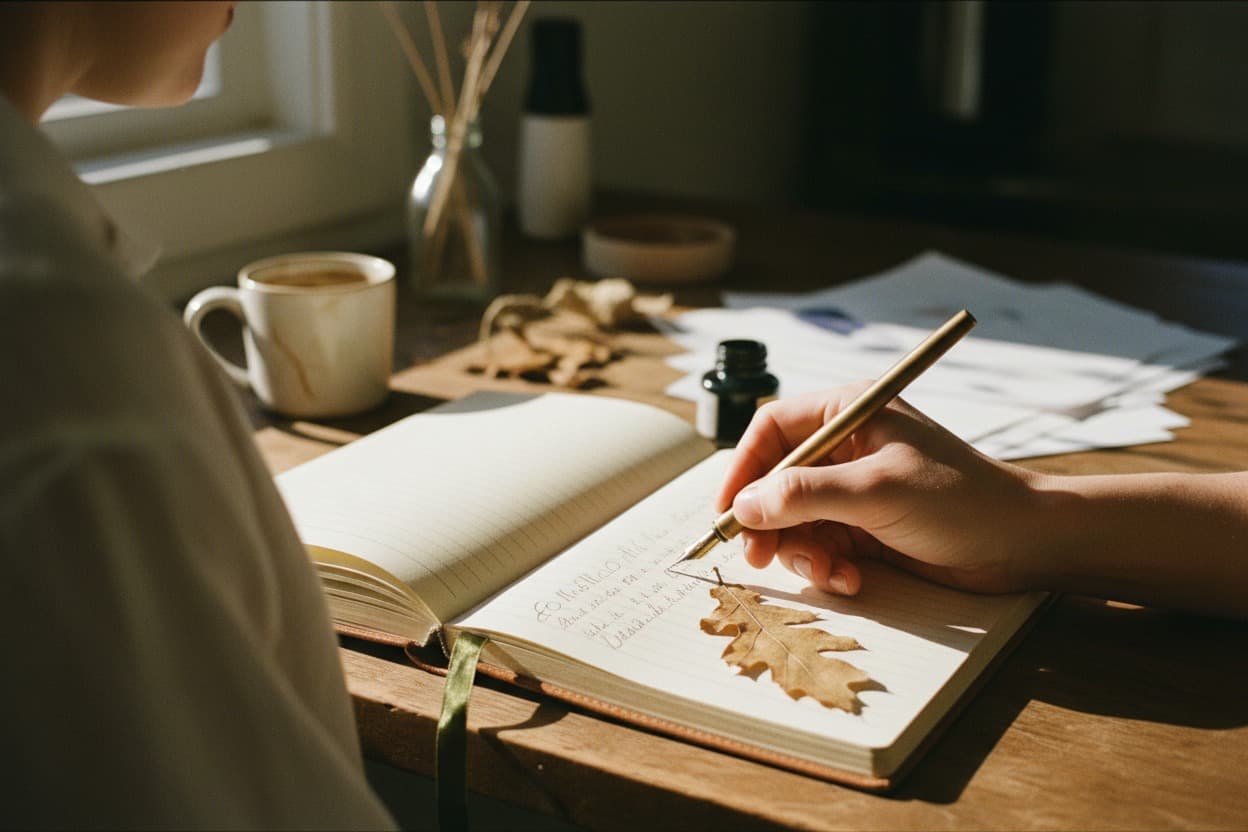
Journaling

The lowest-commitment hobby that still counts as one: ten to thirty minutes, a notebook, and a result on day one. It fits the constraint this decade actually has, which is fragmentation rather than lack of interest. Give it a fixed format rather than a blank page, because open-ended journaling is the version most people quit within a month.

The full cost sheet →

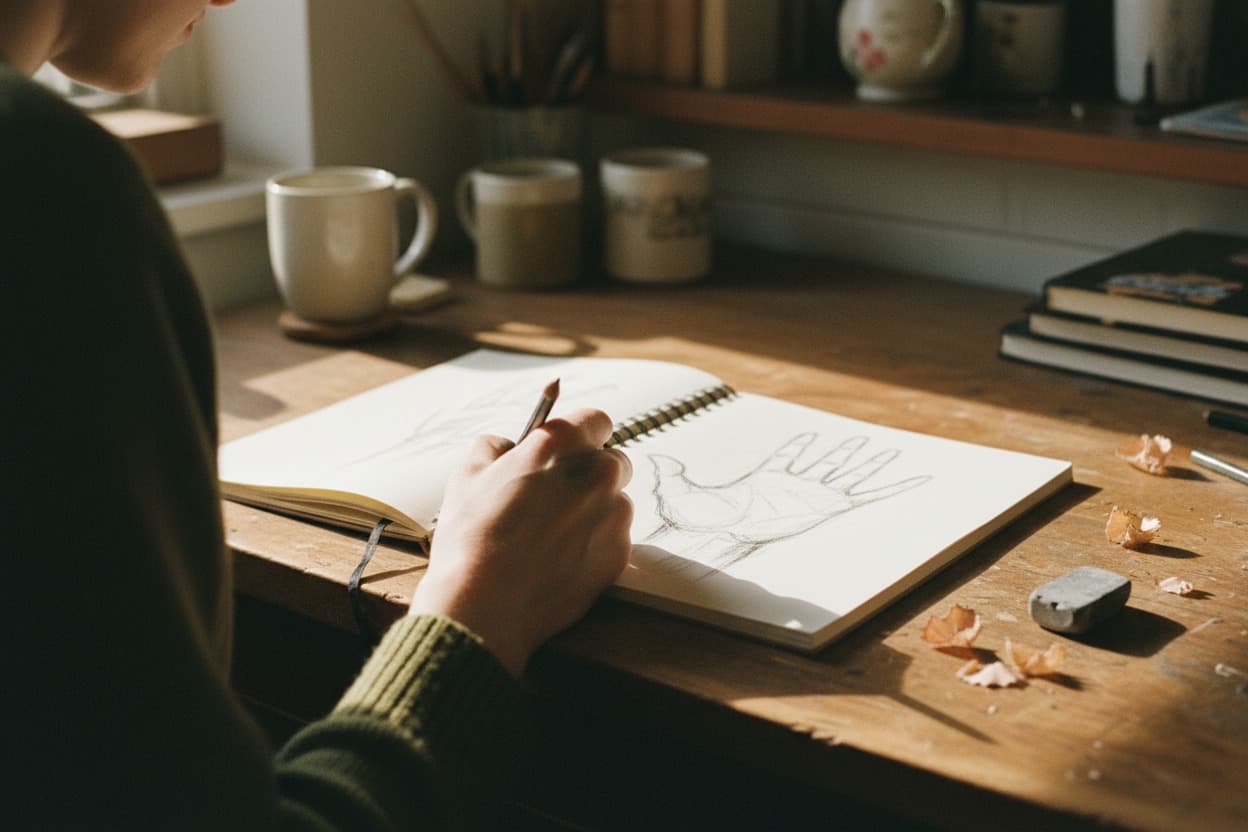
Drawing

Sessions run 15 to 90 minutes and a Strathmore 400 Series 9 by 12 sketch pad is $6.24, so a month of trying it costs less than one dinner out. It is the most interruptible creative hobby here: you can put the pencil down mid-line. Progress is slow enough that you need a way to see it, so draw the same object once a week.

$15–$60

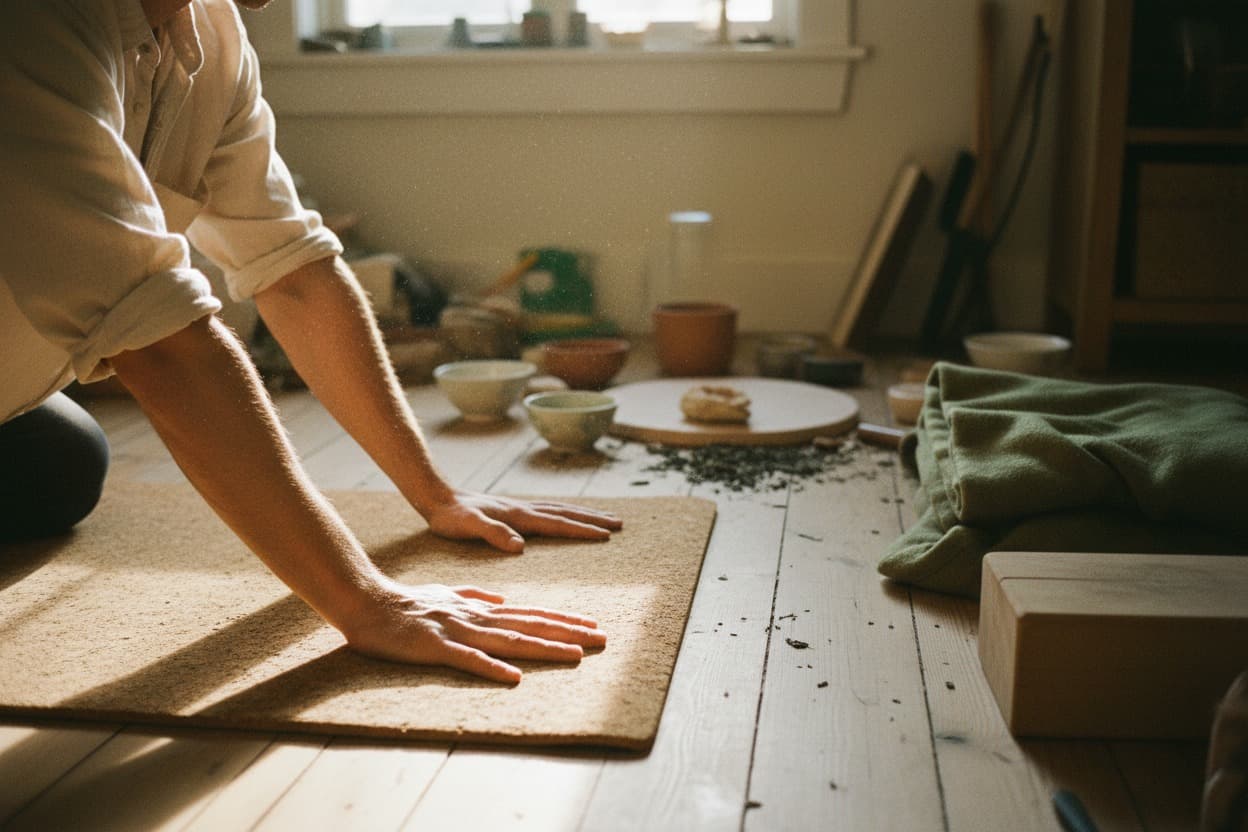
Yoga

A Gaiam Essentials mat is $19.98 and free video classes carry you competently for a year. Sessions run 20 to 75 minutes and can be done before anyone else in the house is up, which is often the only reliable window. A short daily practice holds better than a weekly studio class when your schedule is not yours to control.

$20–$120

Language Learning

The best fit for dead time: 15 to 45 minute sessions, free tools for the first several months, and progress that survives being done on a commute. First exchange that feels like real communication comes in about three days. The part that actually moves you is speaking with someone, which is also the part you will avoid, so book it early.

$0–$60

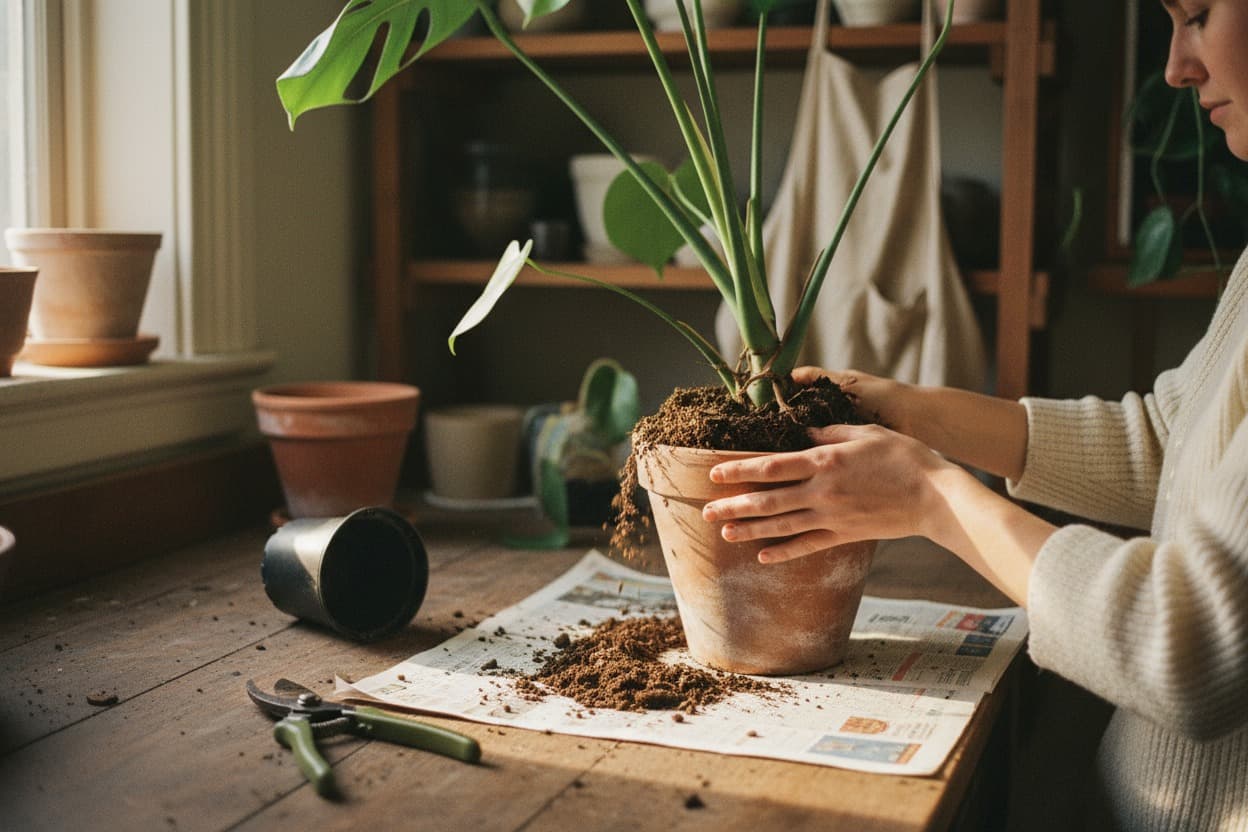
Houseplants

About 15 to 45 minutes of real care a week, and the plant is alive on day one so there is no waiting for a first result. Small one-time cost per plant and near-zero running cost. The common failure is buying six at once and killing five, so start with two, learn their water pattern, and add slowly.

$30–$150

Puts a standing appointment on the calendar

4 picks

Making friends after 30 is a scheduling problem, not a personality problem. These four work because they repeat with the same people, which is the condition adult friendship needs and one-off events never provide. All four cost more than the group above, and the recurring fee is what buys the recurrence.

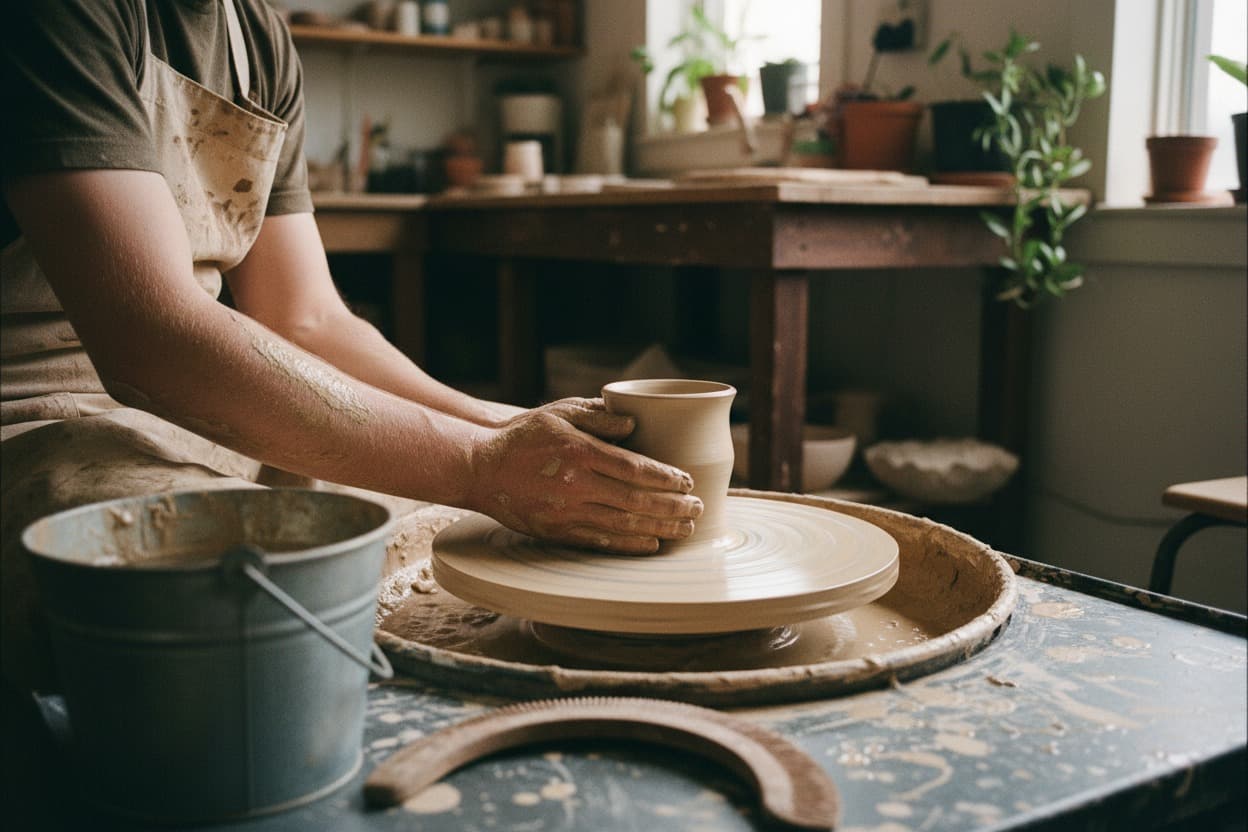
Pottery, close crop on hands mid-task

$150–$700 to start

Pottery

Take the class, do not buy the wheel. Studio time is the largest ongoing cost here, and it buys you a kiln, tools and a fixed weekly hour with the same people, which is the actual value. Roughly three days to something recognisable and months to something you would give away. Sessions run 90 minutes to three hours and the mess stays at the studio.

The full cost sheet →

Pickleball

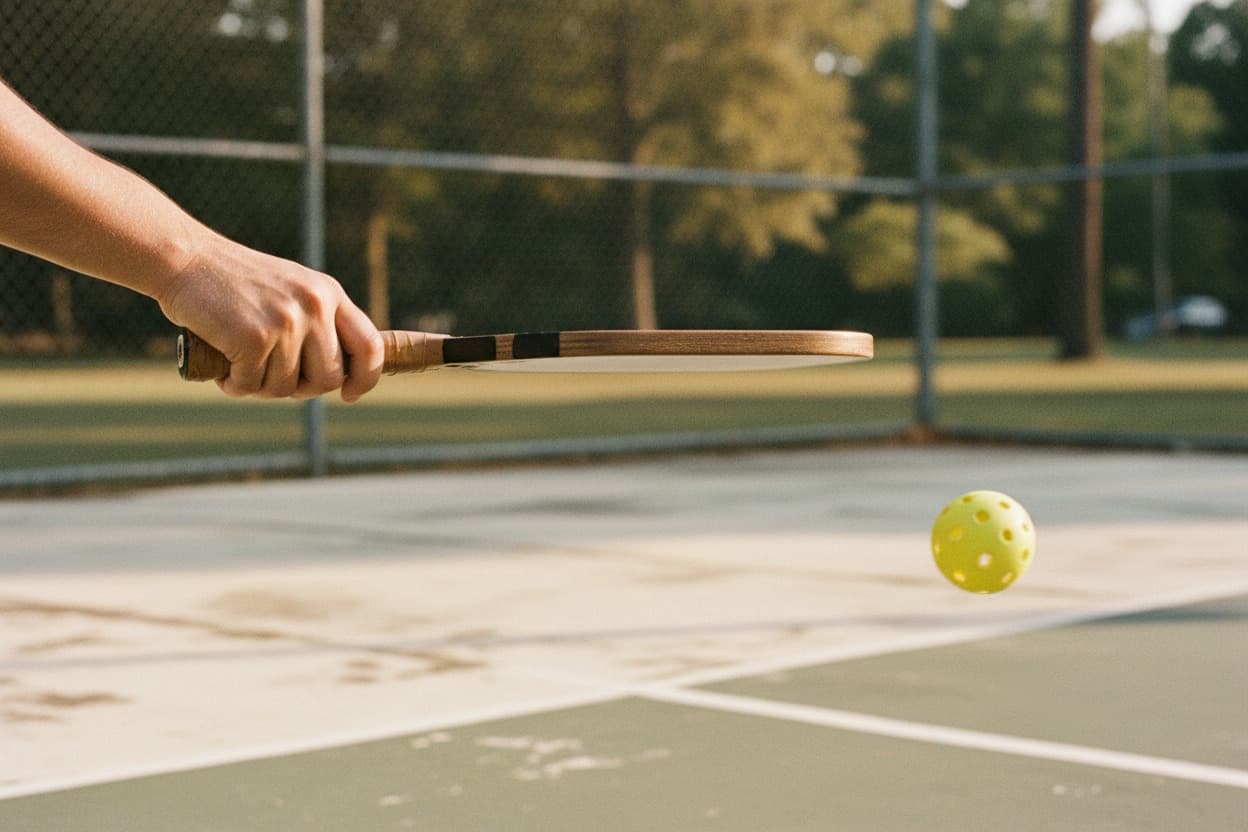
Two-paddle sets start around $85 and public courts are usually free. You will rally on day one, which almost no other sport allows, and leagues give you the repeat contact that turns acquaintances into friends. Games run 60 to 120 minutes. The barrier is not skill, it is walking up to a group session alone the first time.

$40–$120

Partner Dancing

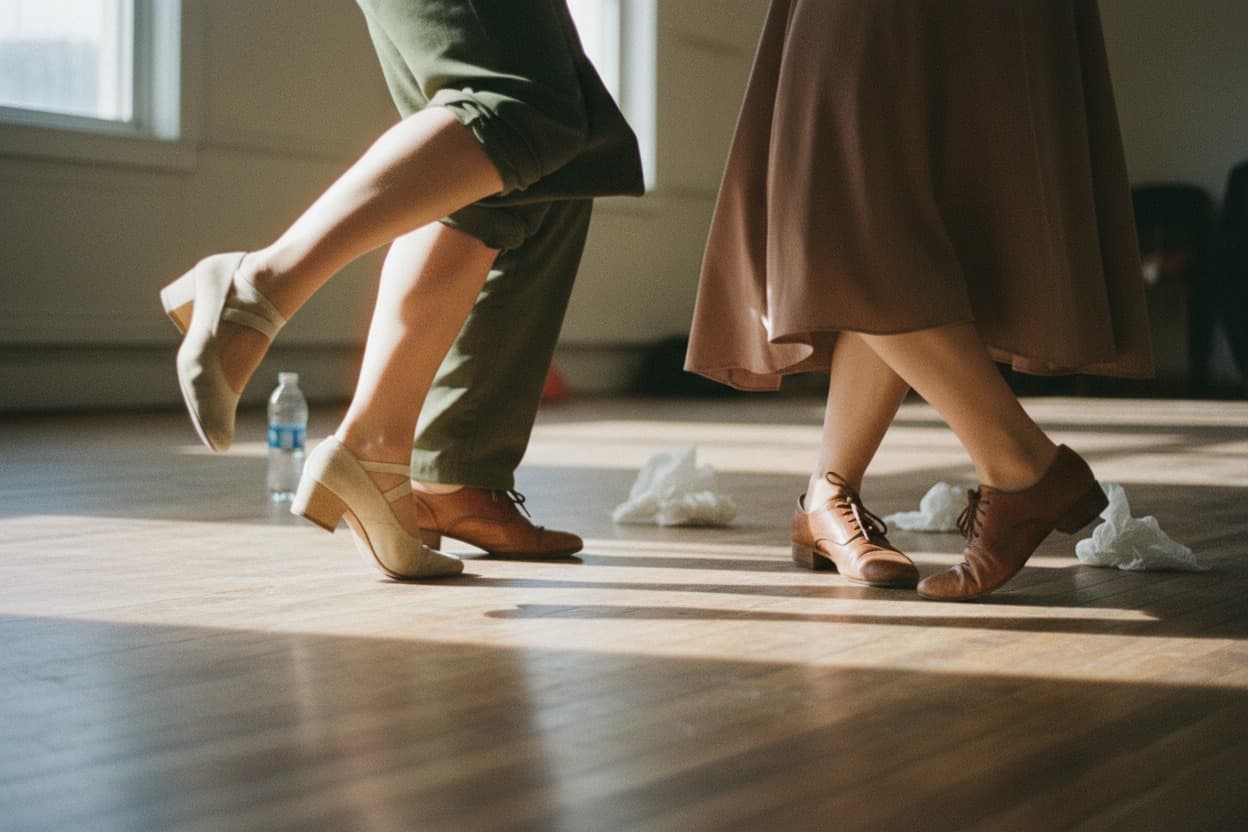
A beginner course puts a recurring hour on the calendar with the same faces, which is the mechanism doing the work here. Expect about three months before it stops feeling like homework. Sessions run 60 to 120 minutes and classes are the ongoing cost. Most beginner courses rotate partners, so going alone is normal rather than awkward.

$50–$300

Hiking

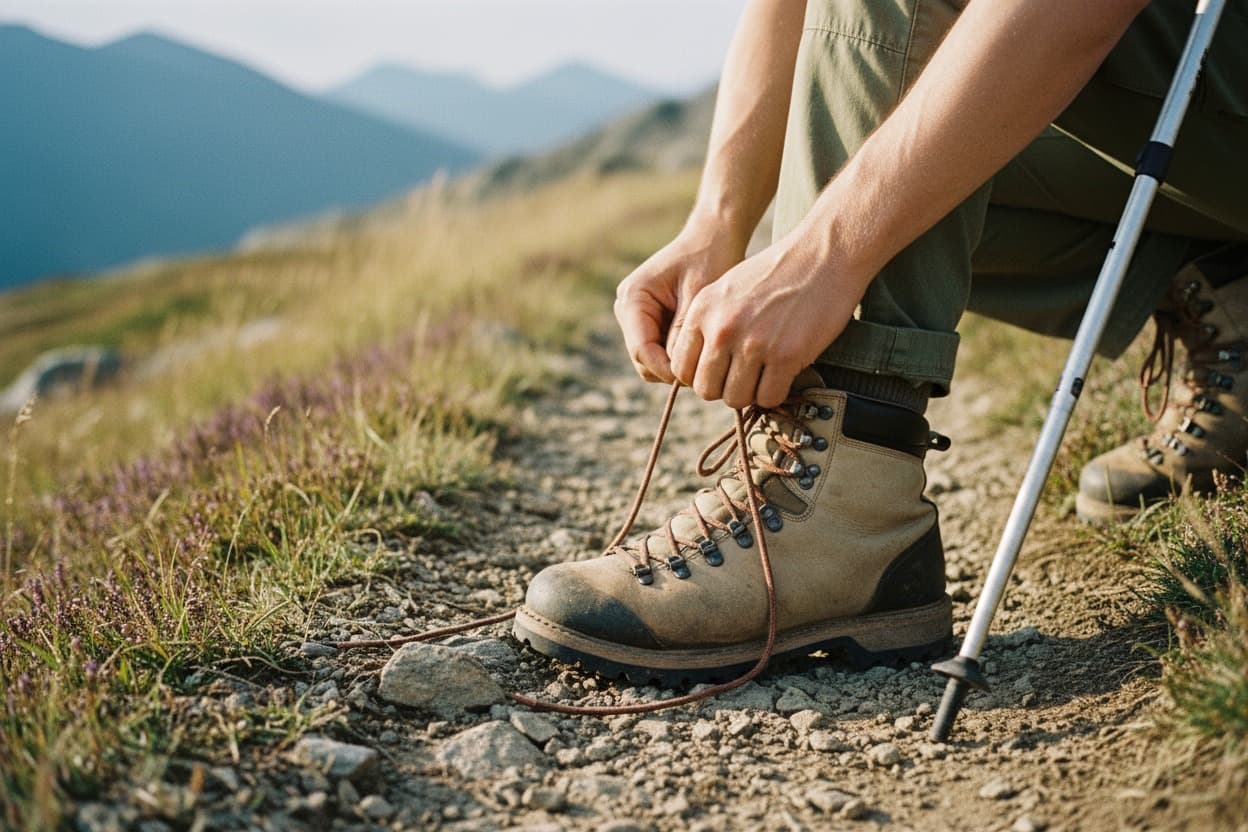
Free, no skill gap, and the only purchase that matters is footwear that fits. Sessions run one to five hours, which makes it a weekend hobby rather than a weeknight one. It works socially because walking side by side removes the pressure of sitting across from someone. Pick trailheads within 20 minutes or it becomes a monthly outing.

$40–$250

Cheap to start and cheap to quit

4 picks

Four hobbies you can test for the price of a takeaway. If money is the binding constraint rather than time, the full cheap hobbies list sorts by what it costs to keep going rather than what it costs to begin, which is the number that actually decides things.

Creative Writing, close crop on hands mid-task

$0–$60 to start

Creative Writing

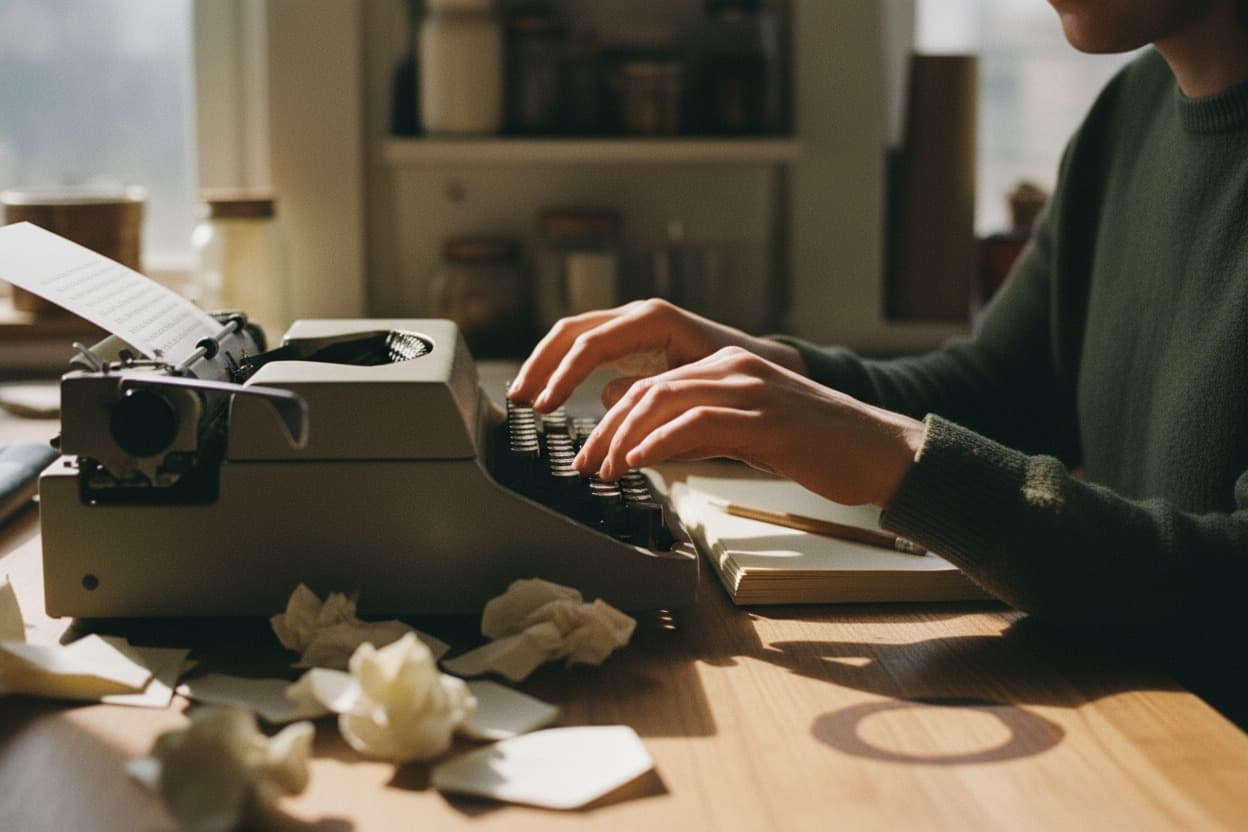
Free to start and expensive in attention, which is the scarce thing in this decade. Sessions run 30 minutes to two hours and a first finished short piece takes about three days of real work. It survives interruption better than most creative hobbies because the work is portable. Find a group or a deadline, since writing with no reader is quietly abandoned.

The full cost sheet →

Photography

Starts at nothing because your phone is the camera you will actually have with you. It turns errands and walks into practice rather than requiring separate time, which is why it fits a full schedule. First frame you like comes within a day. Shoot weekly for three months before considering anything with a lens mount.

$0–$800

Embroidery

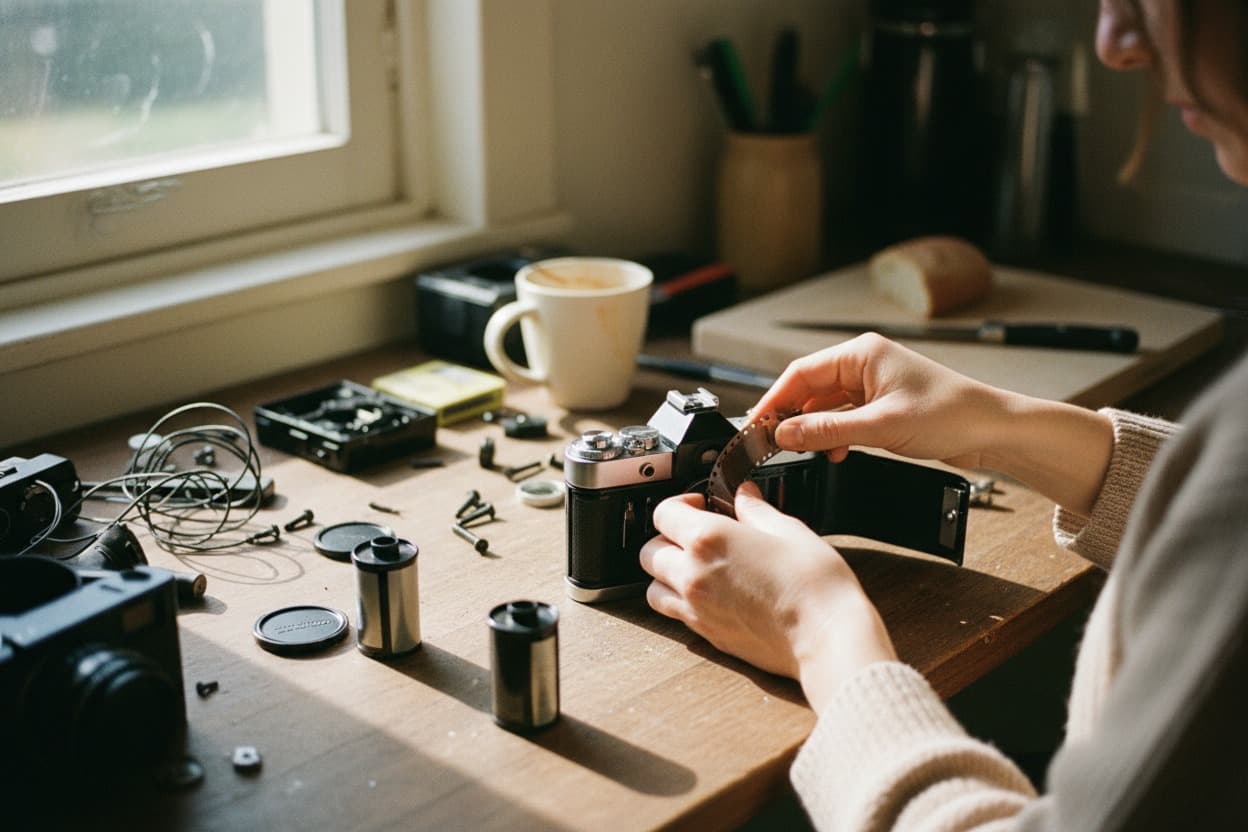
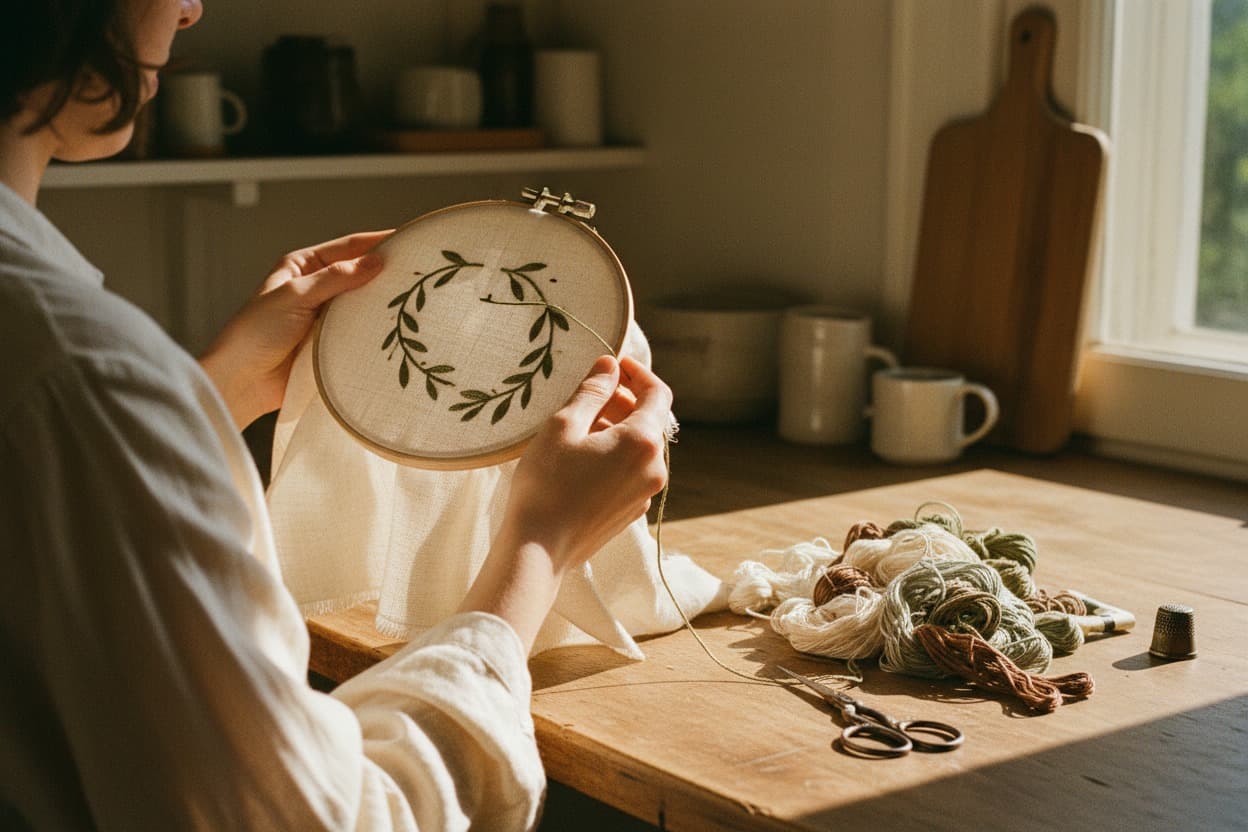
A hoop, floss and a needle, all of it small money and all of it fitting in a tin you can carry. Sessions are 30 to 90 minutes and stop anywhere. A first finished piece takes an evening or two. It is the most interruptible craft here, which matters more than it sounds when your evenings are not predictable.

$20–$60

Crochet

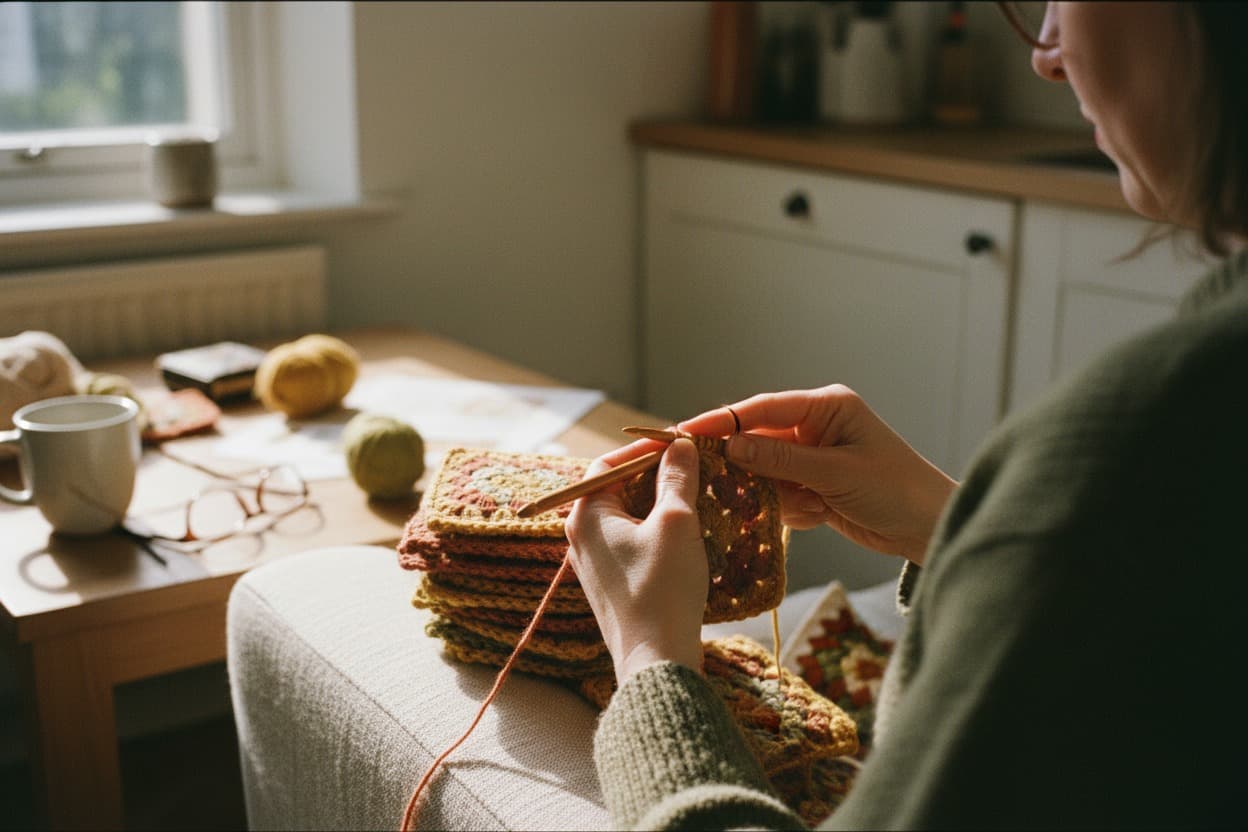
One hook and a $5.99 skein of Lion Brand Wool-Ease is the entire cost of finding out. Faster to click than knitting because one hook is easier to control than two needles, and a first finished square takes a couple of evenings. Sessions run 30 minutes to two hours, travel well, and pause mid-row without penalty.

$15–$50

Something finished at the end

3 picks

These three hand you an object: a sweater, a loaf, a painting. That matters if your work does not produce anything you can hold, which is a common and underrated reason people in this decade go looking for a hobby at all. For the fuller reasoning on choosing under real constraints, read how to find a hobby in your 30s, and for the version filtered by room rather than schedule, see hobbies to do at home.

Knitting, close crop on hands mid-task

$25–$80 to start

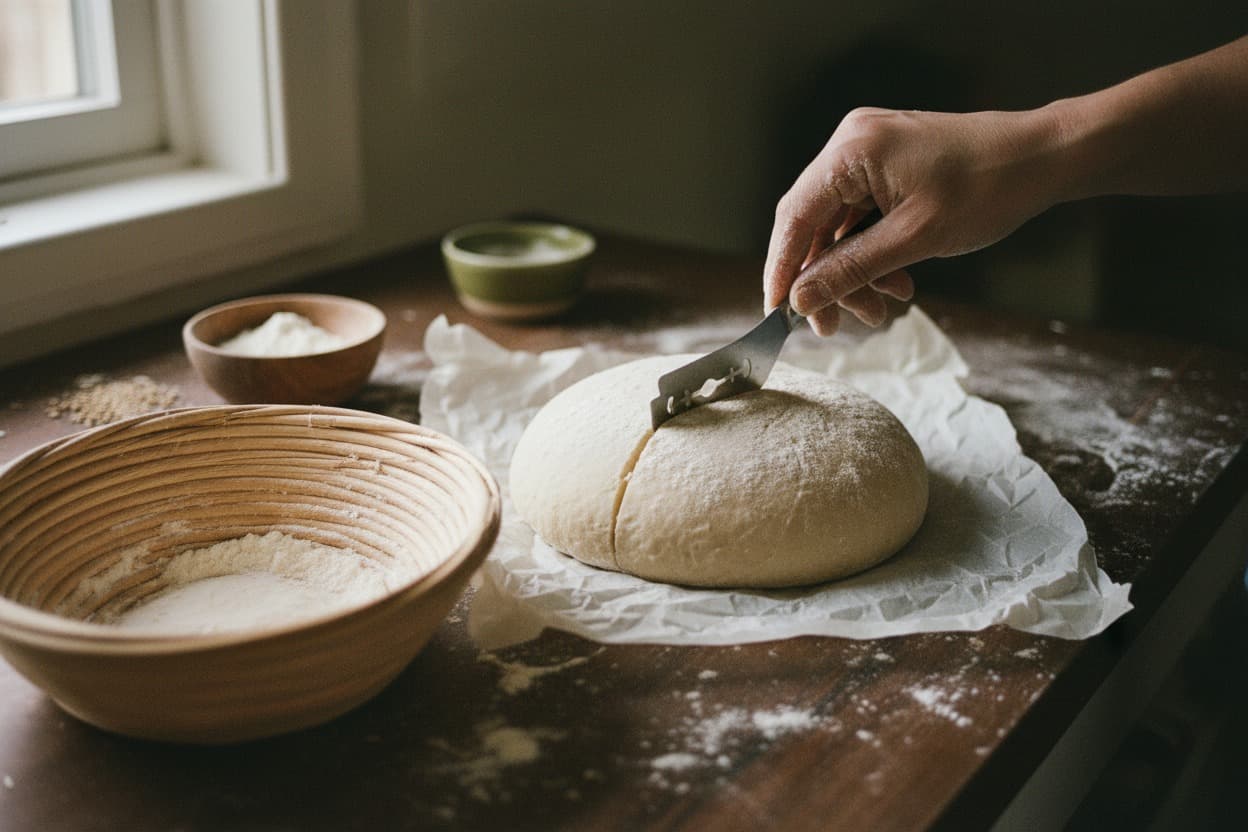
Knitting

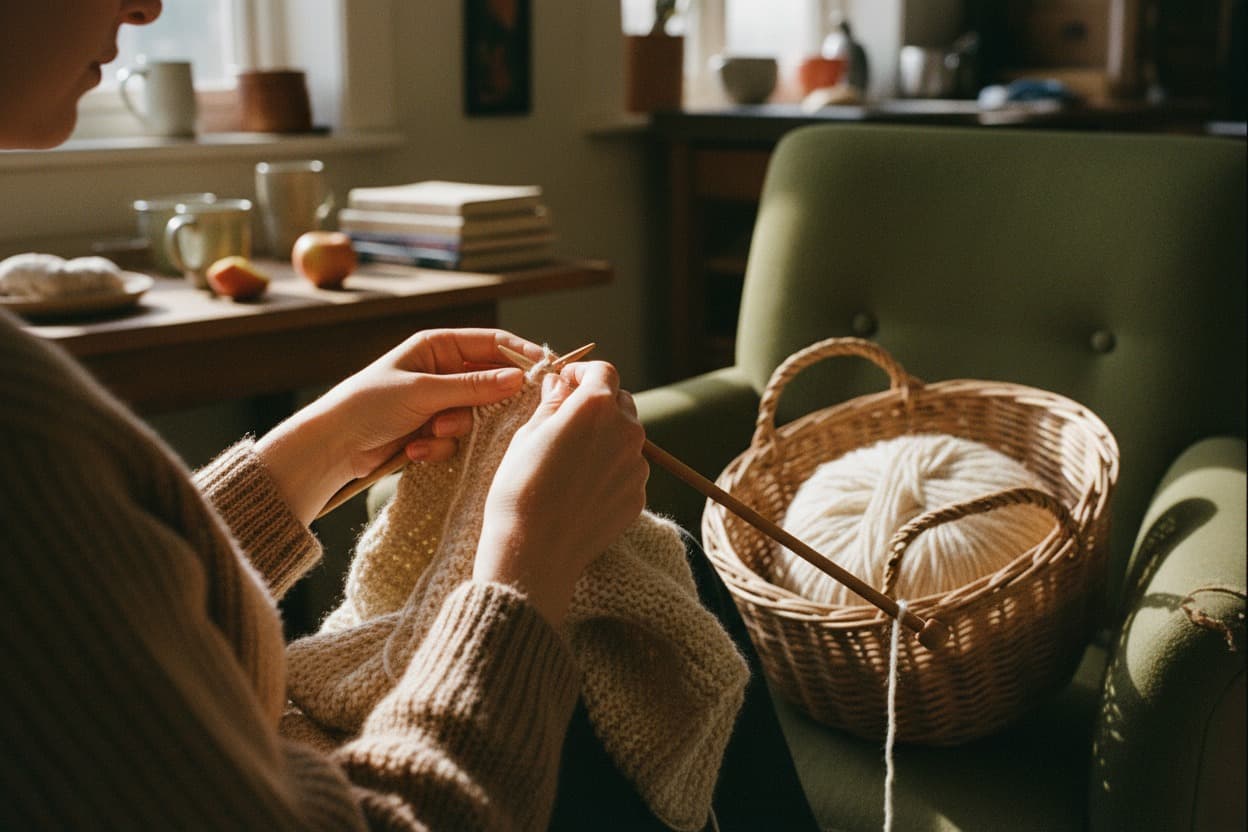
Slower to learn than crochet, about two evenings before your tension stops fighting you, and the finished objects are more wearable. A skein at $5.99 plus needles is the whole entry cost. Sessions run 30 minutes to two hours and pause anywhere. Yarn is the spend that grows quietly, so buy per project rather than per shop visit.

The full cost sheet →

Sourdough Baking

About a week before the starter is ready, then a loaf that is genuinely yours. A Lodge 5 quart double dutch oven at $59.90 is the single purchase that changes the result. Hands-on time is 45 minutes to two hours spread across a day, which suits a day at home and does not suit a day out. Skip it if no evening in your week is predictable.

$40–$120

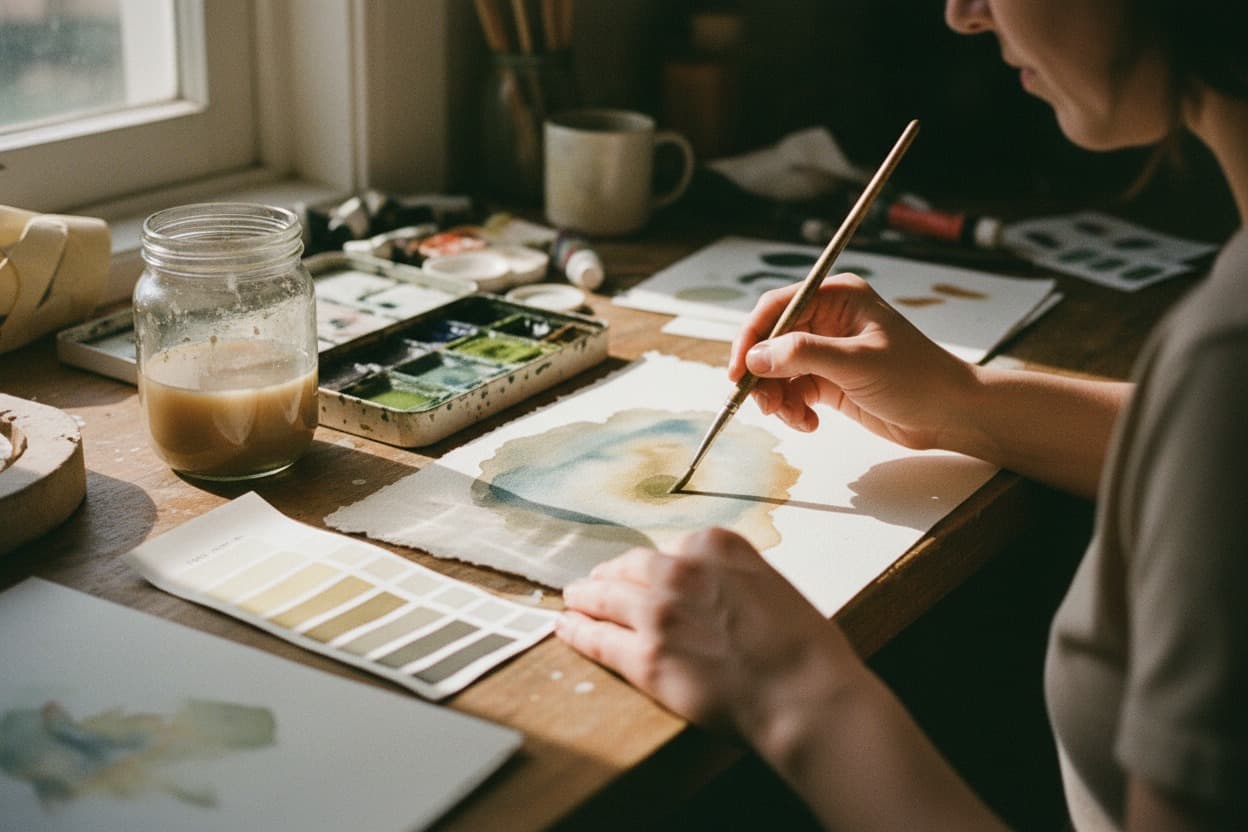
Watercolor Painting

A Winsor and Newton Cotman 12 half-pan pocket set is $21.51 and lasts years, but paper is what decides whether the result looks good. Sessions run 30 to 90 minutes and a first painting you keep takes about two days. Control takes months because water does most of the deciding early, which some people find calming and others find maddening.

$30–$120

Side by side

HobbyTo startPer session
Journaling$2–$4510 min–30 min
Drawing$15–$6015 min–1.5 hr
Yoga$20–$12020 min–1.3 hr
Language Learning$0–$6015 min–45 min
Houseplants$30–$15015 min–45 min
Pottery$150–$7001.5 hr–3 hr
Pickleball$40–$1201 hr–2 hr
Partner Dancing$50–$3001 hr–2 hr
Hiking$40–$2501 hr–5 hr
Creative Writing$0–$6030 min–2 hr
Photography$0–$80030 min–3 hr
Embroidery$20–$6030 min–1.5 hr
Crochet$15–$5030 min–2 hr
Knitting$25–$8030 min–2 hr
Sourdough Baking$40–$12045 min–2 hr
Watercolor Painting$30–$12030 min–1.5 hr

Not sure which of the 16 fits you?

Seven questions on the time, budget and energy you actually have.

Find my pastime

Gear and class links may earn us a commission. It never changes the price, or which gear we recommend.

Common questions

How do I find a hobby in my 30s when I have no free time?
Stop looking for a hobby that needs an evening and look for one that fits a 30-minute gap you already have. Drawing, journaling, yoga and language learning all produce a real session in that window. A hobby that needs a two-hour block will get cancelled every week until you conclude, wrongly, that you are not a hobby person.
What is the best hobby for meeting people in your 30s?
Anything with a fixed weekly time and the same faces. Pottery classes, a beginner dance course and pickleball leagues all work because they repeat. One-off workshops and drop-in events almost never turn into friendships, because adult friendship needs repeated unplanned contact rather than a good first conversation.
How much should I spend on a hobby I might not stick with?
Under $50 for anything untested. Most of this list starts there: a yoga mat is $19.98, a Strathmore drawing pad is $6.24, a skein of yarn is $5.99. Spend the small amount, do it four times, and only upgrade when the cheap version is clearly what is limiting you.
Which of these work with young kids in the house?
The 30-minute group, plus knitting and embroidery. All of them pause mid-session without penalty, none of them need a clean setup or a drive, and none of them are ruined by being interrupted. The class-based options are better once you have one reliably free evening a week to give them.
Sources