Guitar: what it costs and who it fits
Sore fingertips for two weeks, then songs you actually recognize.
Prices checked August 6, 2026 / 3 sources linked / Oded Rochman
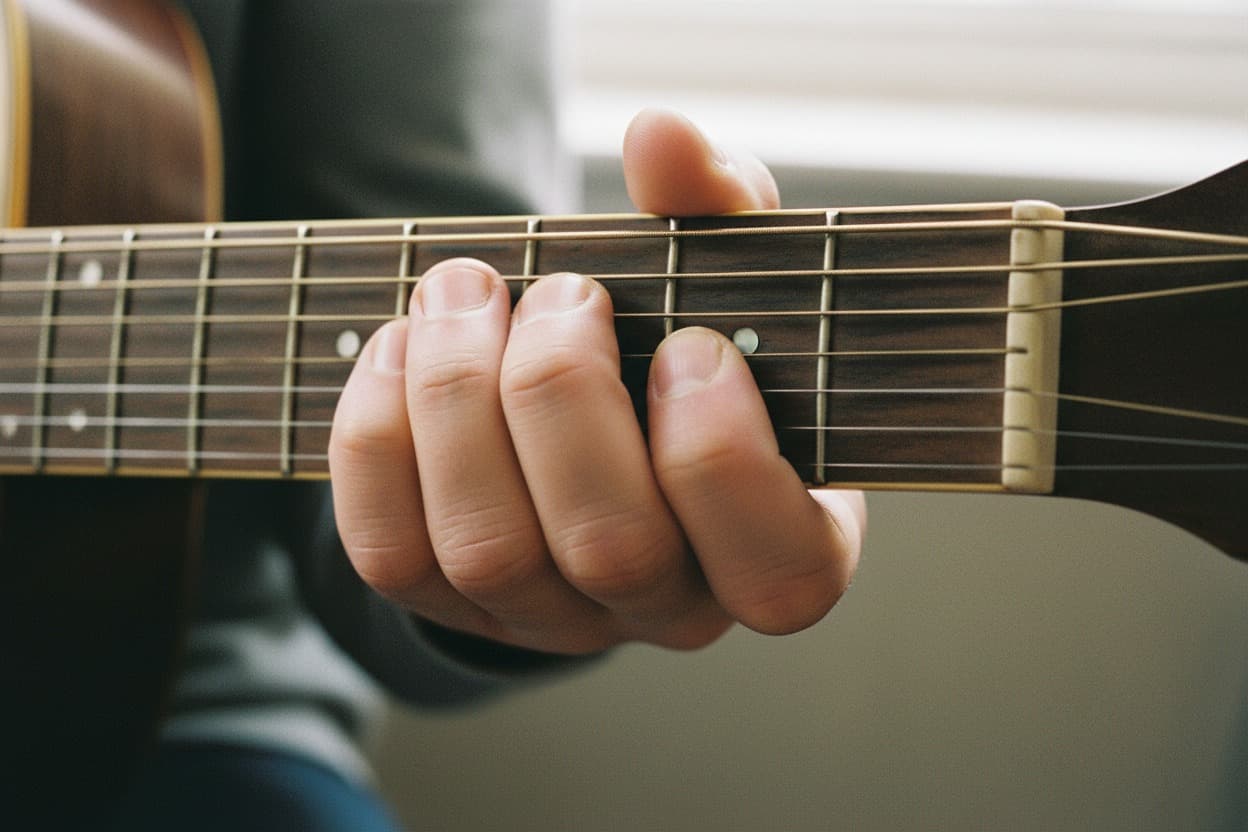
What it costs
| Item | Figure | What it covers |
|---|---|---|
| Starter gear | $260–$400 | One-off, everything you need for a first real attempt. |
| Running cost | $5–$120 a month | Materials and consumables at a steady weekly habit. |
| Time per session | 20 min–1 hr | The normal working block, not the maximum. |
| Time to first win | About a week | Until you make something you would show someone. |
Every figure here is dated and linked to a live listing under Sources. The same costs across every hobby we track are compared in what hobbies actually cost.
Guitar has the harshest opening two weeks of any instrument here and one of the best returns after them, because five open chords unlock a very large number of songs people actually know. It suits people who want to play with others, or to accompany singing, and who can practice in twenty-minute pieces. The honest catch is fingertip pain and buzzing strings in the first fortnight, which is when most beginners quit and blame the guitar.
What it actually costs
The instrument is nearly all of the cost. A Yamaha FG800J acoustic is $259.99 at Sweetwater. That model sits at the point where beginner guitars stop actively working against you: the action is playable out of the box and the tuning holds, which cheaper instruments frequently do not.
The version worth buying is the Essentials Bundle at $299.99, which adds a strap, stand, clip-on tuner and picks. The extra $40 is not an upsell in any meaningful sense. A clip-on tuner is required equipment for a beginner, because you cannot yet hear when the instrument has drifted, and practicing on an out-of-tune guitar trains your ear wrong.
Below that price the used market is the only honest option, and it requires knowing what to check. A cheap new guitar with high action is the single most common reason beginners conclude they have no talent.
Recurring costs are small. A set of D'Addario EJ16 strings is $9.99 at Sweetwater and a casual player changes them two or three times a year. The upper end of the monthly range in the cost table is lessons or a subscription app, not equipment. Neither is required, and both help.
What to buy first
The FG800J Essentials Bundle at $299.99 rather than the bare guitar at $259.99. The $40 covers a strap, stand, tuner and picks, and every one of those is something you will buy separately within a fortnight at worse prices. The stand matters more than it sounds: a guitar on a stand gets played and a guitar in a case does not, and that single fact decides more beginner outcomes than the instrument does.
The guitar itself is the whole cost and it is not the place to save. The FG800J sits at the point where beginner guitars stop working against you, meaning the action is low enough that pressing a string does not hurt more than it should. Cheaper instruments produce beginners who conclude they lack the fingers for it.
Strings at $9.99 are the only recurring cost, changed two or three times a year, and new strings are the cheapest way to make a guitar sound better. Most beginners leave dead strings on for a year and quietly lose interest in the sound.
Skip the amplifier question entirely on an acoustic, and skip the second guitar until you can play the first one.
Time to your first win
Ten days is the honest number. Your fingertips hurt from day two through roughly day ten, chords buzz because you cannot yet press hard enough near the fret, and progress feels absent. Then calluses form, the buzzing stops, and the same chord you have played two hundred times suddenly rings.
The first real win follows quickly: a full song with two or three chords, changed in time, sung over. Most people get there in four to six weeks. That is a genuinely social result, which is what separates guitar from piano as a beginner instrument.
Barre chords are the second wall, usually around month three, and they hurt in a different way. They also open most of the remaining songbook, so the timing is fair.
You'll enjoy this if
- You want to play with or in front of other people rather than practice alone forever.
- You already sing, or want to. Guitar is the best accompaniment instrument for a beginner voice.
- You can practice in short bursts. Twenty minutes a day beats two hours on Saturday on this instrument.
- You want something portable. A guitar goes to a friend's house, a park, or a rental in a way a keyboard does not.
Skip it if
- Physical discomfort will stop you. The first two weeks genuinely hurt and there is no way around it.
- You have hand or wrist conditions that make sustained pressure painful. Ask a doctor before spending $260.
- You want immediate correct sound with no pain. Piano gives you that on day one.
- You are more interested in making beats and arrangements than in playing songs. Music production is the better fit.
Your first month
- Buy the $299.99 bundle rather than the bare $259.99 guitar. The tuner alone justifies the difference.
- Tune before every single session, using the clip-on tuner. This takes thirty seconds and prevents a badly trained ear.
- Learn four chords in week one: E minor, C, G, D. Do not add more until you can change between them without looking.
- Practice fifteen to twenty minutes a day through the painful fortnight. Shorter and more frequent is better while your fingertips are healing.
- In week three, pick one song you like that uses only your four chords and play it end to end daily until it holds together.
If you are still choosing between instruments and rooms, hobbies to do at home lays out the quieter alternatives.
Starter gear worth buying
$259.99
Solid spruce top at the price where beginner guitars stop fighting you
Yamaha FG800J Essentials Bundle
$299.99
Same guitar plus strap, stand, tuner and picks, better value
D'Addario EJ16 phosphor bronze strings, light
$9.99
The default acoustic set, changed two or three times a year
Try it with a class
Learn Guitar: The Complete Beginners Guide
Skillshare. Cheaper than a starter kit, and you find out in a weekend whether the craft suits you.
Gear and class links may earn us a commission. It never changes the price, or which gear we recommend.
Common questions
- Is guitar expensive to start?
- It is mid-range. A Yamaha FG800J acoustic is $259.99 at Sweetwater, and the same guitar with a strap, stand, clip-on tuner and picks is $299.99. Buying the bundle is the sensible move because a tuner is not optional. After that, strings are the only recurring cost and a set lasts a casual player several months.
- Is guitar a good hobby for a beginner?
- Yes, if you can tolerate a discouraging first fortnight. Guitar has the worst beginner experience of any common instrument, because your fingertips hurt and your chords buzz for roughly two weeks. Past that point it has the best payoff-to-effort ratio, since a handful of chords covers hundreds of recognizable songs.
- How long does guitar take to learn?
- About ten days of daily practice before the fingertip pain stops and chords ring cleanly. Four to six weeks to play a full song with chord changes in time. A year of regular practice gets you comfortable playing with other people. Barre chords are the second wall and usually land around month three.
- Acoustic or electric for a first guitar?
- Acoustic if you want to play songs and sing. Electric if you want to play riffs and lead lines, and accept that it needs an amplifier or headphone interface to be audible. Acoustic is harder on the fingers early and simpler on the wallet, since there is nothing else to buy.
- Can I practice guitar in an apartment?
- An acoustic guitar at practice volume is roughly conversation level and is fine in most buildings during normal hours. It is louder than a digital piano with headphones and quieter than a television. An electric guitar through headphones is effectively silent, which is the quietest option available.
Sources
- Sweetwater, Yamaha FG800J acoustic guitarAugust 1, 2026
- Sweetwater, Yamaha FG800J Acoustic Guitar Essentials BundleAugust 1, 2026
- Sweetwater, D'Addario EJ16 phosphor bronze acoustic stringsAugust 1, 2026